
On Street Photography Vs Photojournalism
Photojournalism and street photography overlap but are distinct genres. Photojournalism aims to document news and events with accuracy and context and just Sometimes it happens on the street.
it’s primary duty is factual storytelling ( without ambiguity ) often for media outlets, with ethical standards about objectivity and minimal manipulation.
Street photography focuses on candid, often artistic images of everyday life and urban scenes, valuing mood, composition, Humour, Juxtaposition and spontaneous moments often with ambiguity and questions.
Both Street Photography and Photojournalism, rely on candid shooting, observational skill, and an eye for decisive moments, yet their intentions differ. INTENT.
Photojournalists prioritise informing audiences and preserving evidence, while Street Photographers prioritise personal vision, aesthetic expression, and social commentary infused with other ingredients such as humour ( light or dark ) , ambiguity , juxtaposition etc etc .
Legal and ethical considerations also vary: photojournalists follow editorial guidelines and consent rules for sensitive stories, whereas Street Photographers navigate privacy norms and artistic freedom.
Practically, the two can intersect. Street Photography images can become newsworthy and photojournalistic photos may adopt Street-Photography-style aesthetics, but understanding their goals clarifies approach, responsibility, and audience expectations. They inform different practices and ethics.
Great Street Photography is Reliant on serendipity and timing to require capturing fleeting, unplanned moments with perfect composition, light, and expression, which demands constant presence, quick reflexes, and luck.
Photojournalism often stages coverage around known events and predictable beats.
Street photographers in general, must simultaneously achieve a narrative cohesion with strong visual design (composition, contrast, mood) and implied storytelling in a single frame, whereas photojournalists can build narratives across sequences and captions.
Street photography is judged heavily on personal vision, originality, and emotional resonance, making it harder to meet consensus thus falls into a Subjective standards of “greatness”, photojournalism has clearer factual and editorial criteria (accuracy, relevance) that guide successful outcomes.
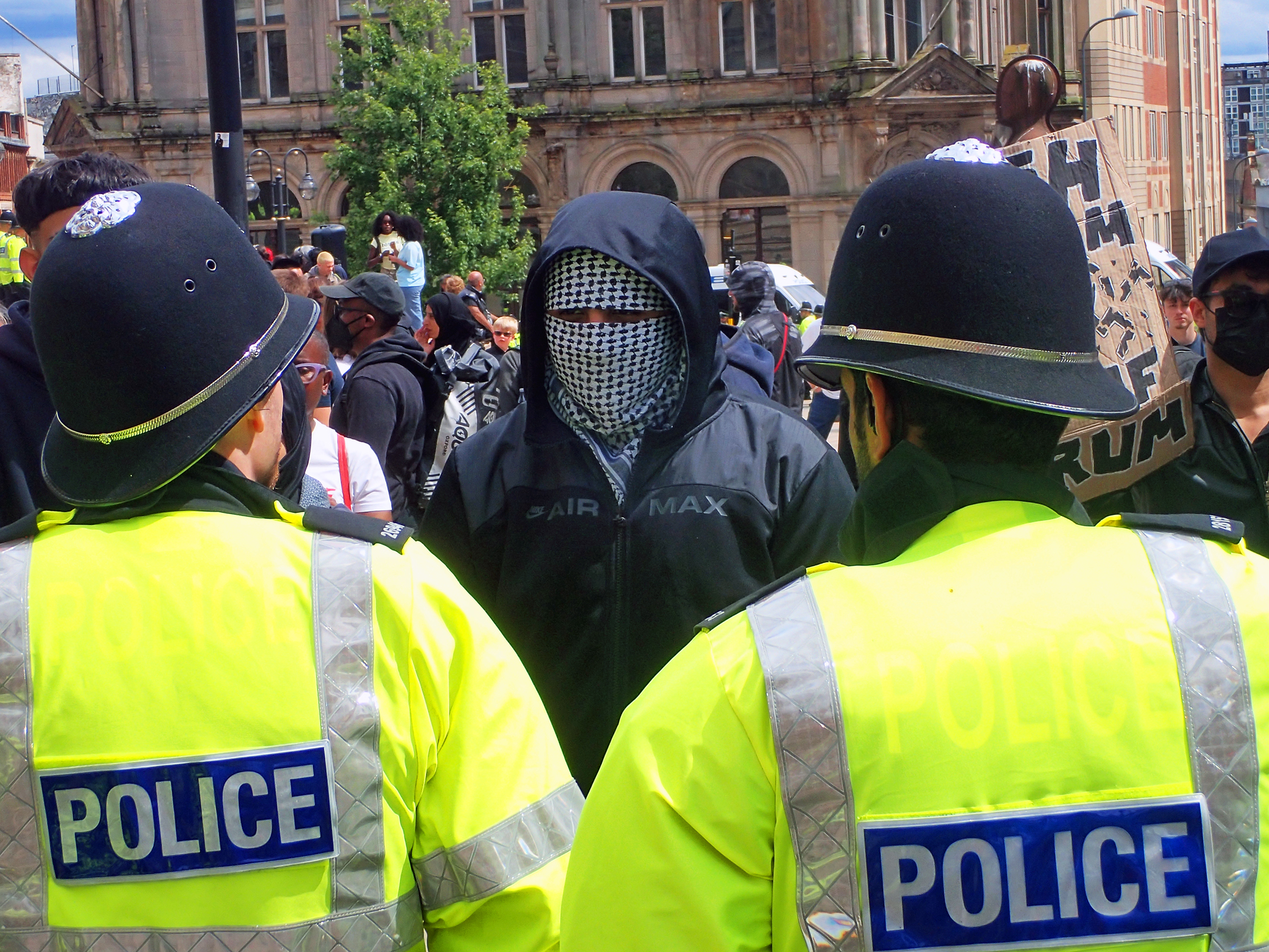
Copyright ⓒ Johnny Mobasher
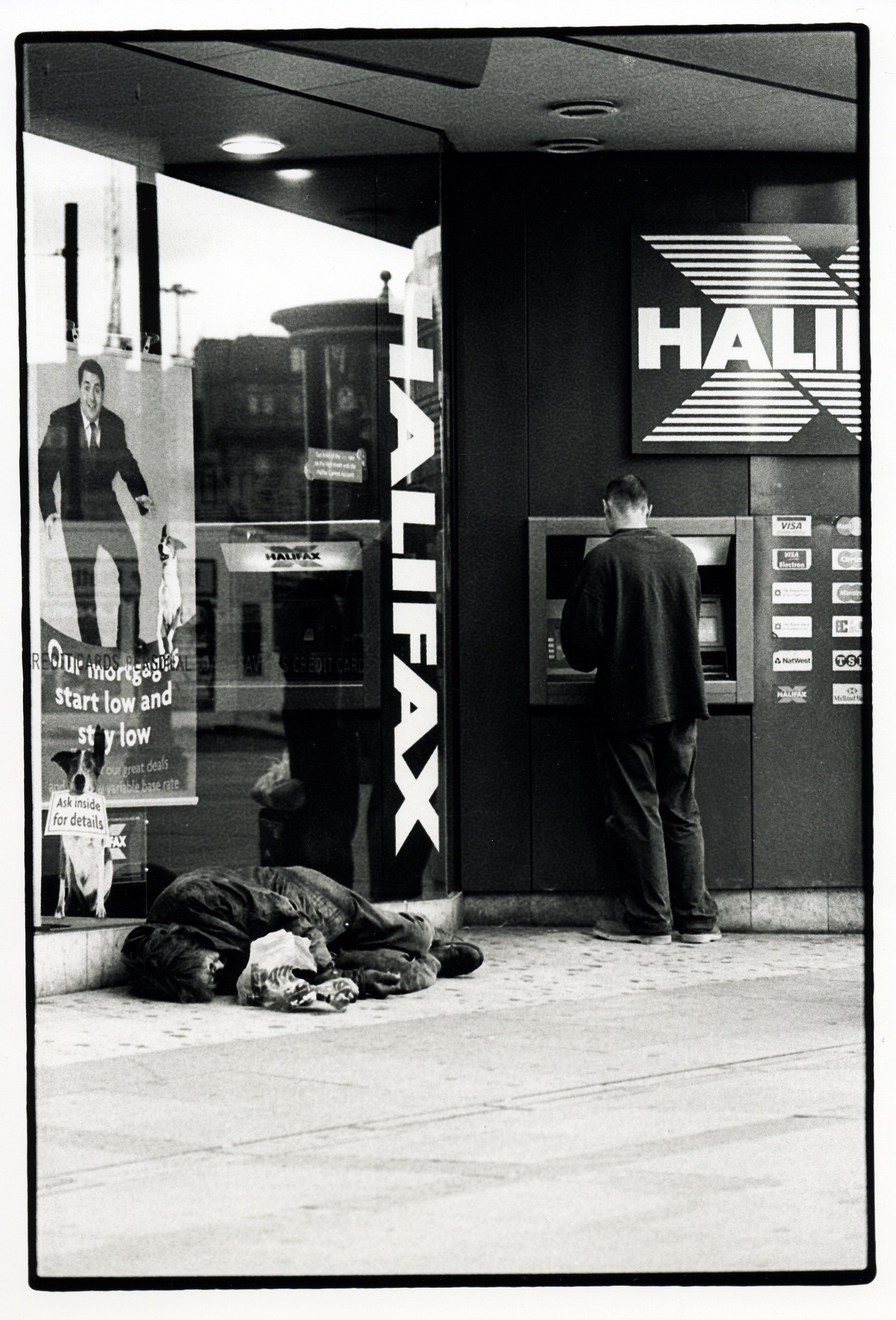
Copyright ⓒ Johnny Mobasher
On Ethics:
- Purpose and duty: Photojournalism’s ethics prioritise truth, accuracy, and public interest; Street Photography’s ethics emphasise respect for subjects and artistic integrity.
- Consent and privacy: Photojournalists may photograph people in public for newsworthy reasons with editorial oversight; street photographers must weigh consent/privacy more on personal and moral grounds, especially with vulnerable subjects.
- Manipulation: Photojournalism forbids deceptive editing or staging that alters facts; Street Photography allows more artistic edits but should avoid misleading portrayals of real people or events.
- Representation and dignity: Both ought to avoid exploitation, stereotyping, or humiliating subjects; photojournalists have stronger institutional accountability to prevent harm.
- Harm minimisation: Photojournalists follow guidelines to protect subjects (e.g., victims); street photographers should also consider potential consequences before publishing.
- Context and captioning: Photojournalism requires accurate captions and context; street images risk misinterpretation without proper framing.
- Legal vs. moral: Legal rights (public-space photography) differ from ethical responsibilities; legality doesn’t absolve photographers of ethical duty in either field.
- Accountability and transparency: News organisations enforce codes and corrections; street photographers rely on personal ethics, peer critique, and audience response.
In short: both need ethical awareness, but photojournalism has stricter, institutionally enforced obligations to truth and harm avoidance, while street photography demands careful, self-directed balancing of artistic freedom and respect for subjects.
STREET PHOTOGRAPHY IS SELF REGULATED!

Leave a comment