
Rupert Vandervell: Juxtaposing Man Against the Built Environment Through Street Photography
Mastery of light is one of the fundamental skills that every photographer must learn, regardless of genre. Not only because a good photo requires adequate lighting, but it also opens up techniques to a myriad of creative possibilities. Street photography may seem like a straightforward genre, but it can also benefit from a touch of artistic approaches that involve skillful use of light.
Case in point is the street photography of UK photographer and video producer Rupert Vandervell, who sees light as a crucial element of his style. In fact, he considers mastery of light as one of the most important skills that he picked up when he was starting out. A quick peek at his Instagram feed and website shows how he has learned to look for light that elevates the scenes he captures, allowing him to treat the street as a canvas.
Vandervell started out as a graphic designer in the 1990s with a keen interest in photography, and often explored London’s streets during his free time. “I was attracted to the black and white look from the start and was interested in how light and shade could be used to shape and form compositions,” he adds.
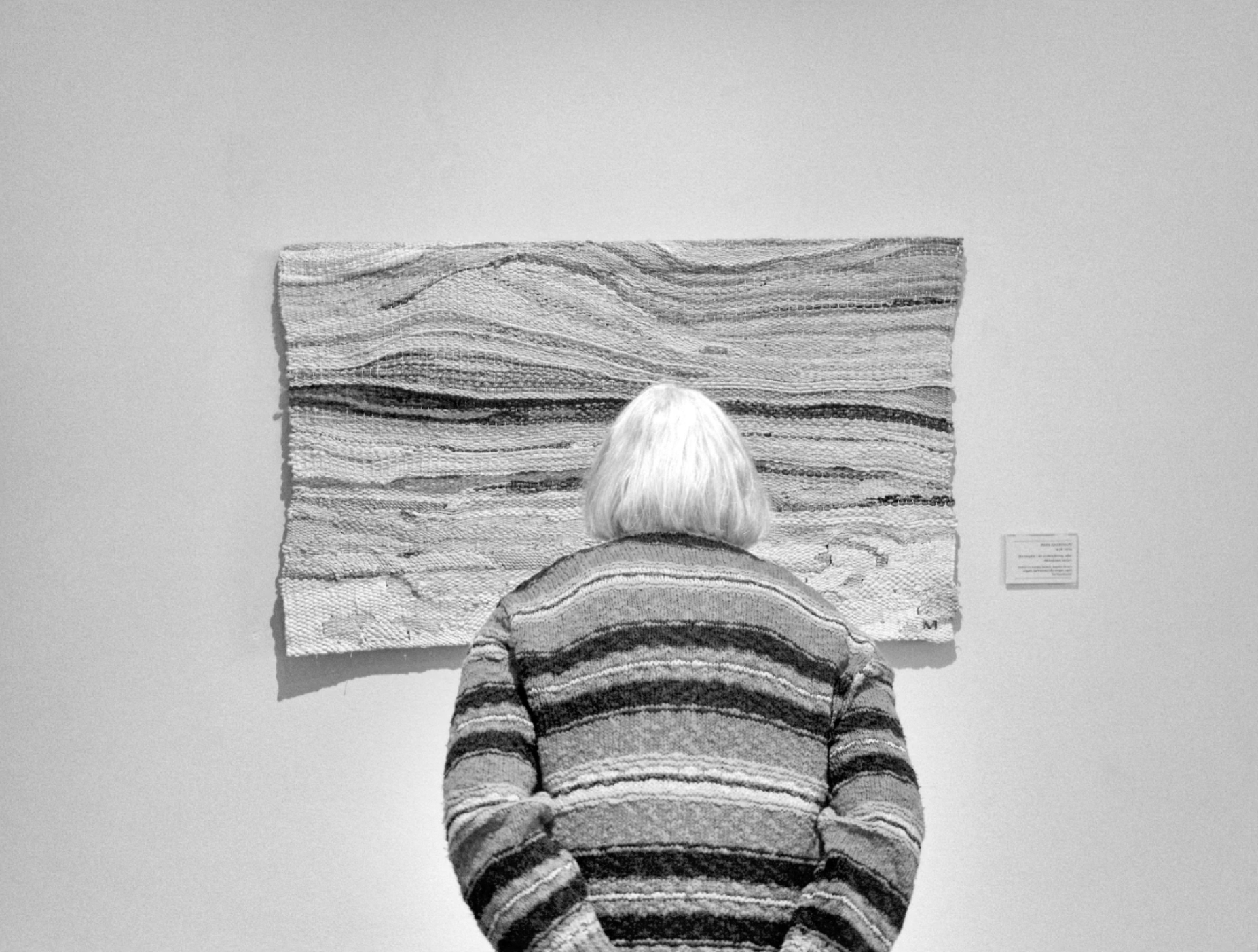
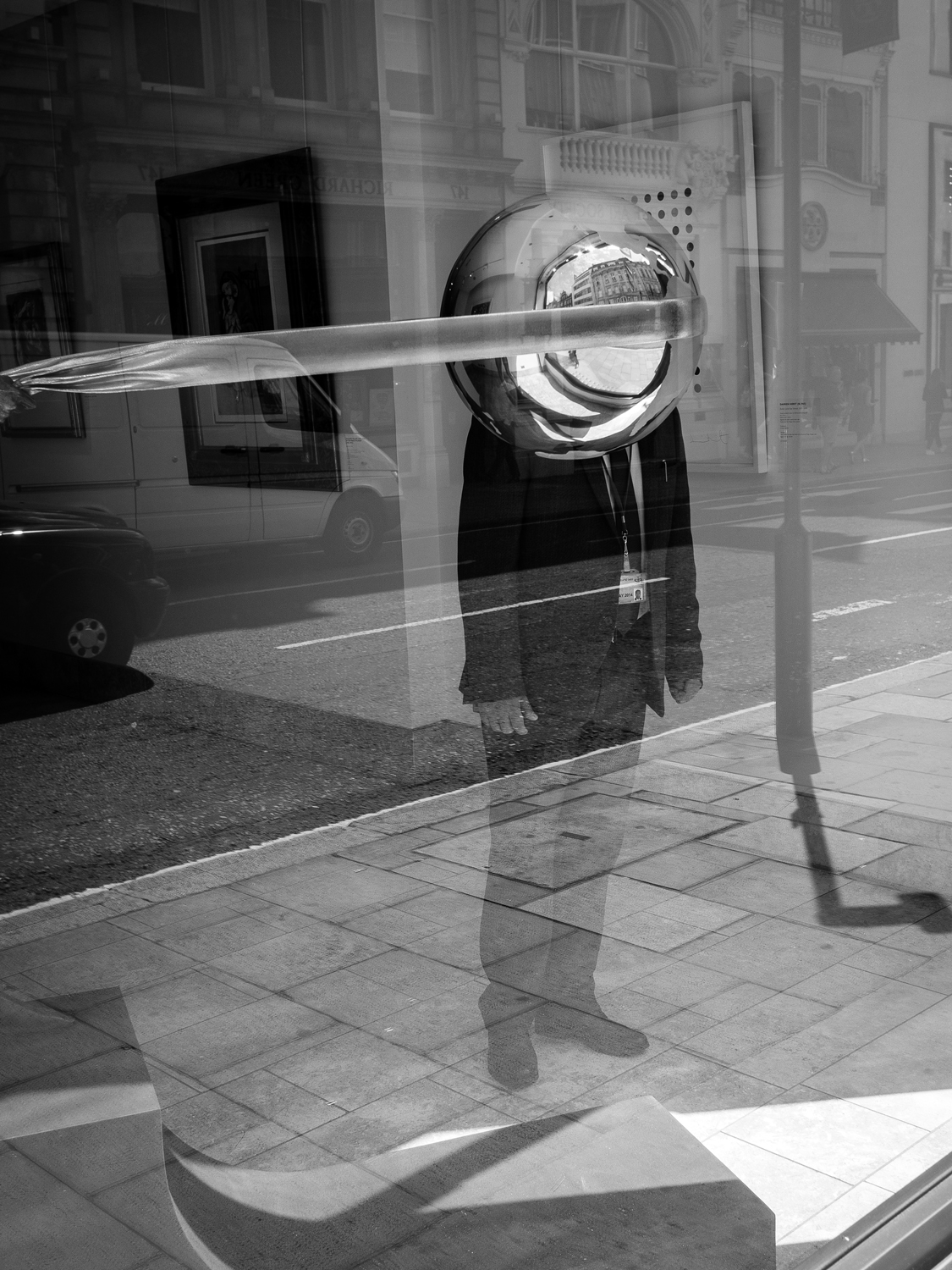
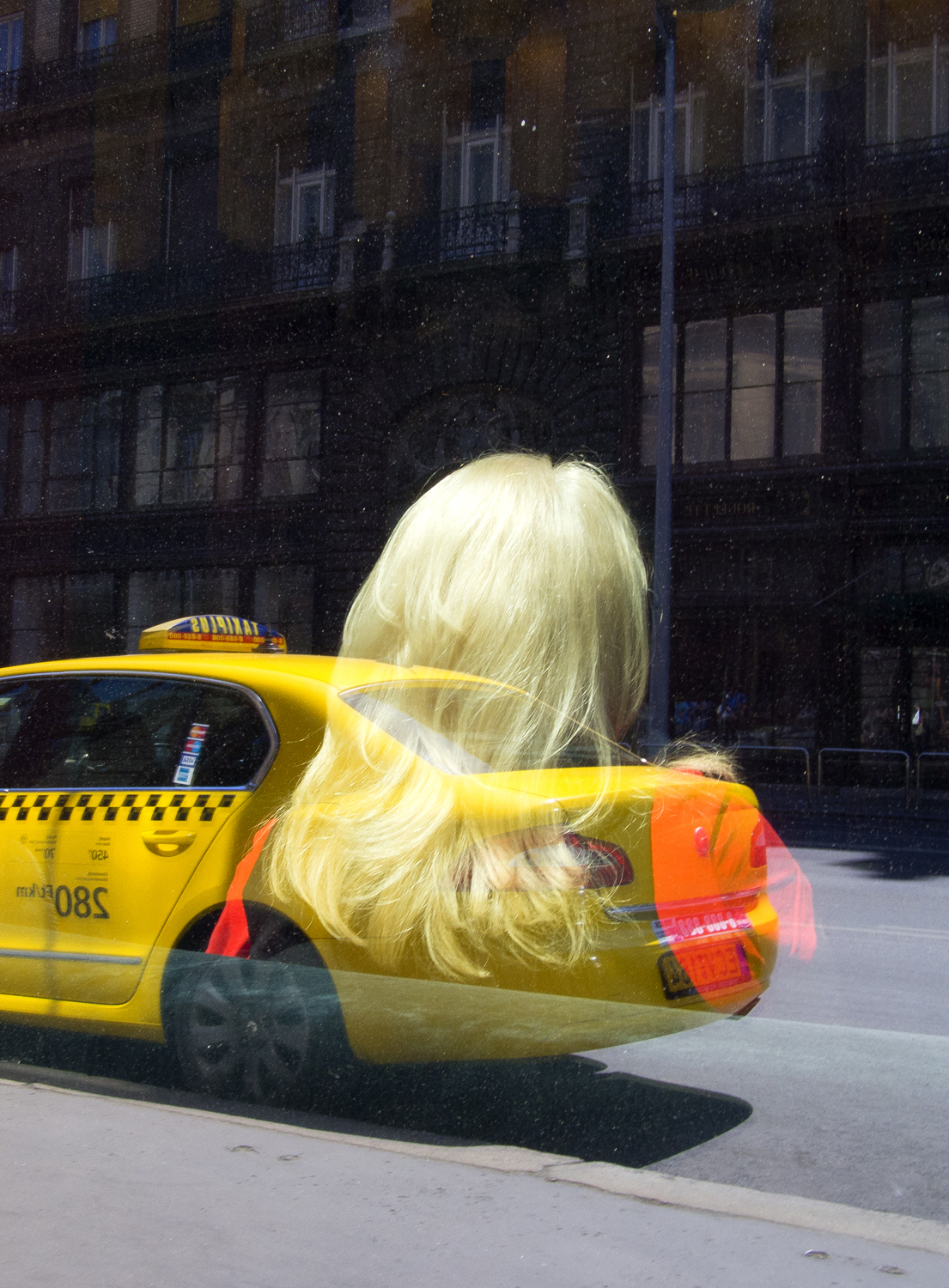
Through a closer look at his work, this understanding of light led him to add contrast to his street photos, which in turn reveals how dramatic ordinary scenes can be. Despite all the colors, shapes, lines, and textures found in cities, this technique led Vandervell to develop a clean, minimalist aesthetic that heightened by the simplicity of black and white.
Copyright ⓒ Rupert Vandervell
Copyright ⓒ Rupert Vandervell
Copyright ⓒ Rupert Vandervell
Copyright ⓒ Rupert Vandervell
It starts with seeing the light
As with every photographer, Vandervell understood early on how light is crucial, not only for a properly exposed photo, but also for the way he wants to capture the scenes before him. Learning how to observe the way the light affects the city and the environment, he says, proved useful in developing his visual and narrative style.
“With different times of day come different moods. I like how cool and clear the light can be in the morning, creating sharp lines of shadow and jewel-like highlights. It penetrates the space between the towering buildings and generates a dazzling display of intricate patterns on every surface. In the late afternoon, the light becomes warm and subtle and the shadows grow longer with feathered edges,” he adds.
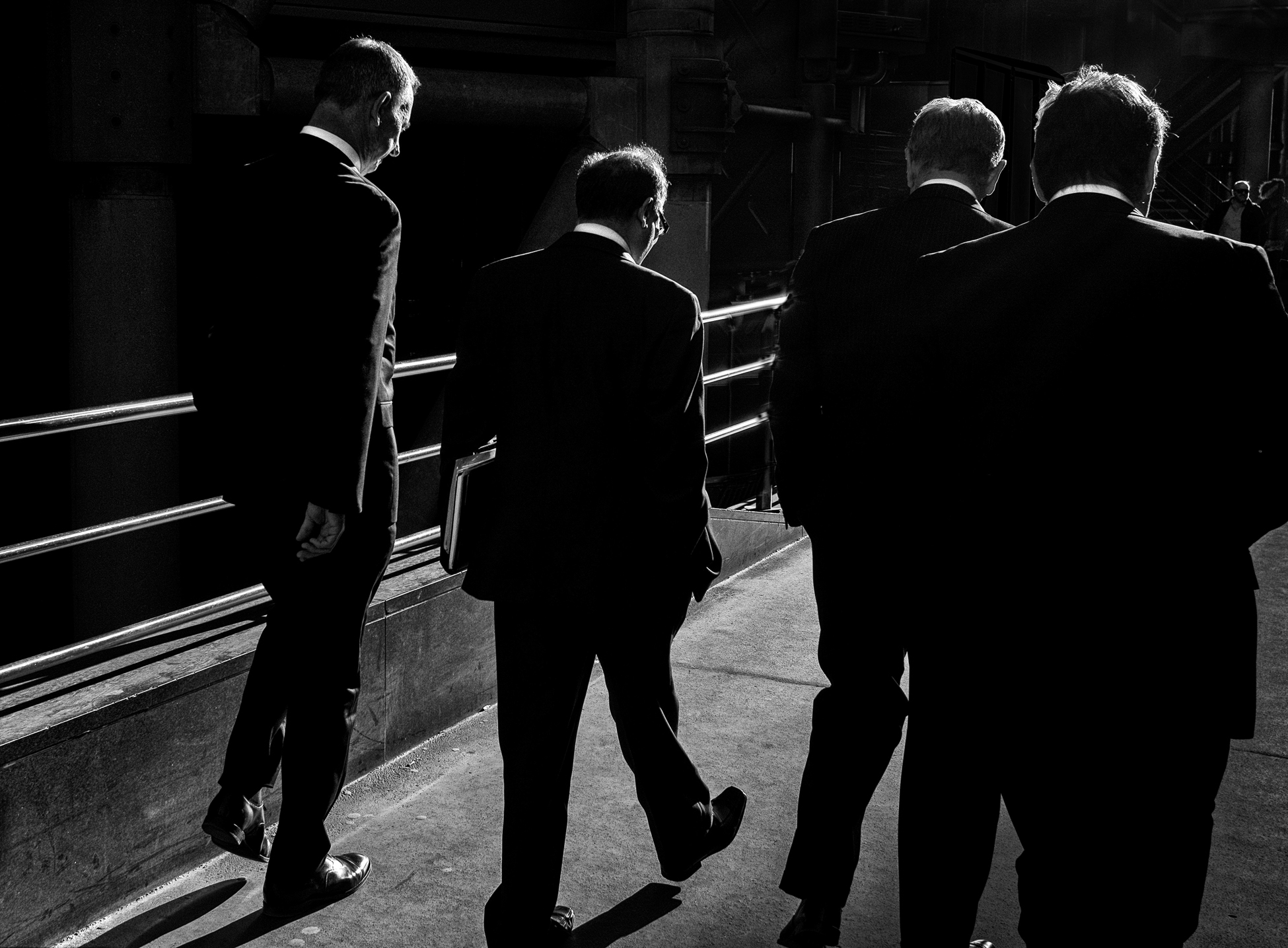
Naturally, keeping an eye for how the light illuminates the city and what it creates around him usually kickstarts his creative process out in the streets. “I’ll look for interesting relationships between the light and shade,” he adds. “I want good contrast with pure whites and deep blacks.”
Likewise, it’s easy to see now why waiting for good light — or even the best light — for a given scene is the most challenging part of his street photography style. As a key component of the high-contrast look that he wants for his street photography, he simply cannot work effectively without it. “I don’t go out on grey days!” he declares.
Copyright ⓒ Rupert Vandervell
Copyright ⓒ Rupert Vandervell
A taste for the high contrast look
There are many ways to use contrast as a creative style for street photography. But since Vandervell chose to work with light and mostly black and white, he naturally gravitated towards the high contrast look that we now see heavily in his work. In fact, he knew early on that he wanted the aesthetic to be part of his creative vision.
If his aesthetic is somehow reminiscent of the timeless look of classic street photography from decades back, it’s because of the influences that inspired Vandervell when he was still building his own style. His favorite photographers include Ray Metzker, Lucien Hervém, and Ernst Haas—photographers who rose to prominence during the 1950s and 1960s for their experimental and artful photography. “Looking at how they photographed their cities and how they used everything around them to compose and shape their images is endlessly inspiring,” he shares.
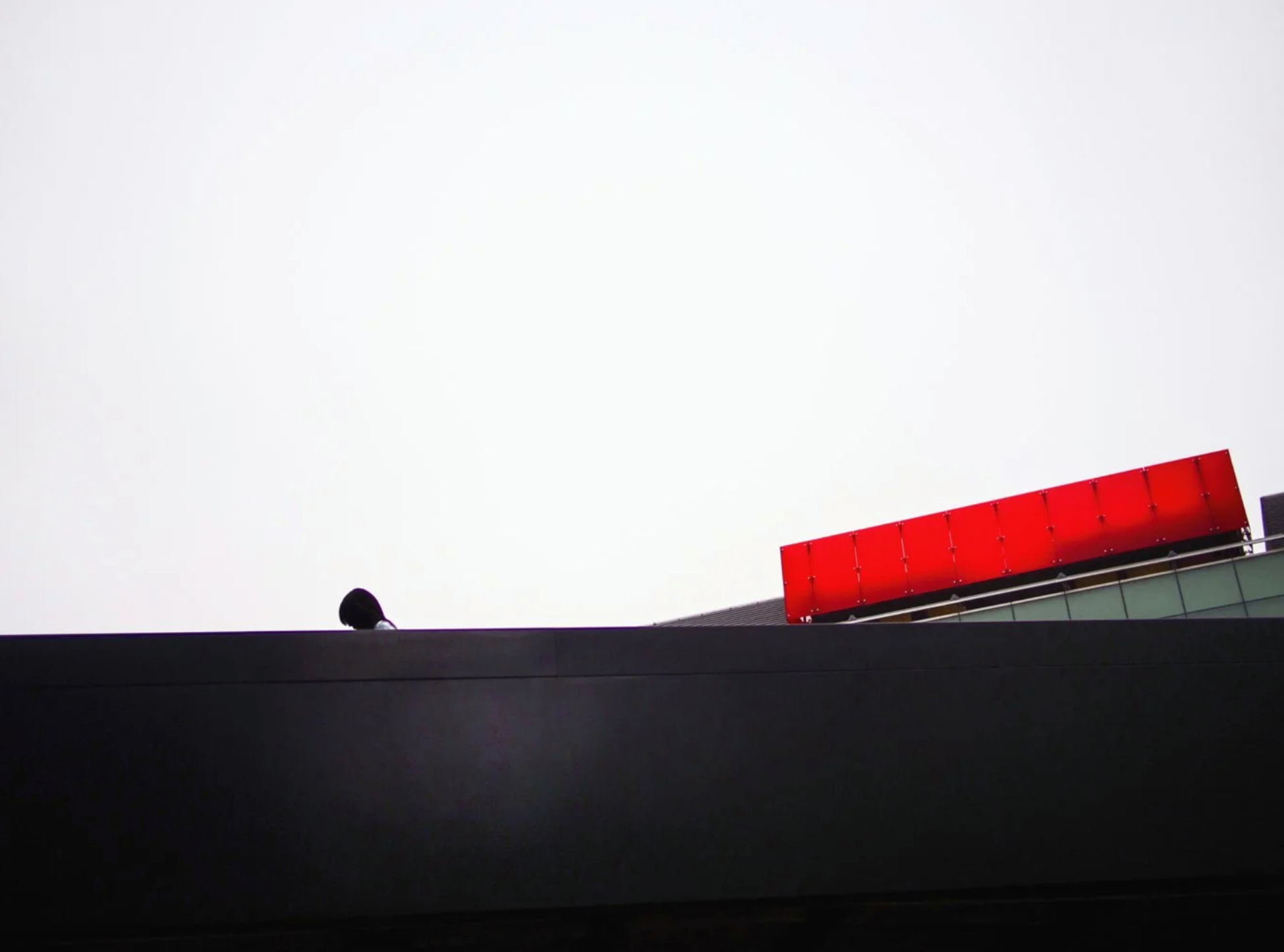
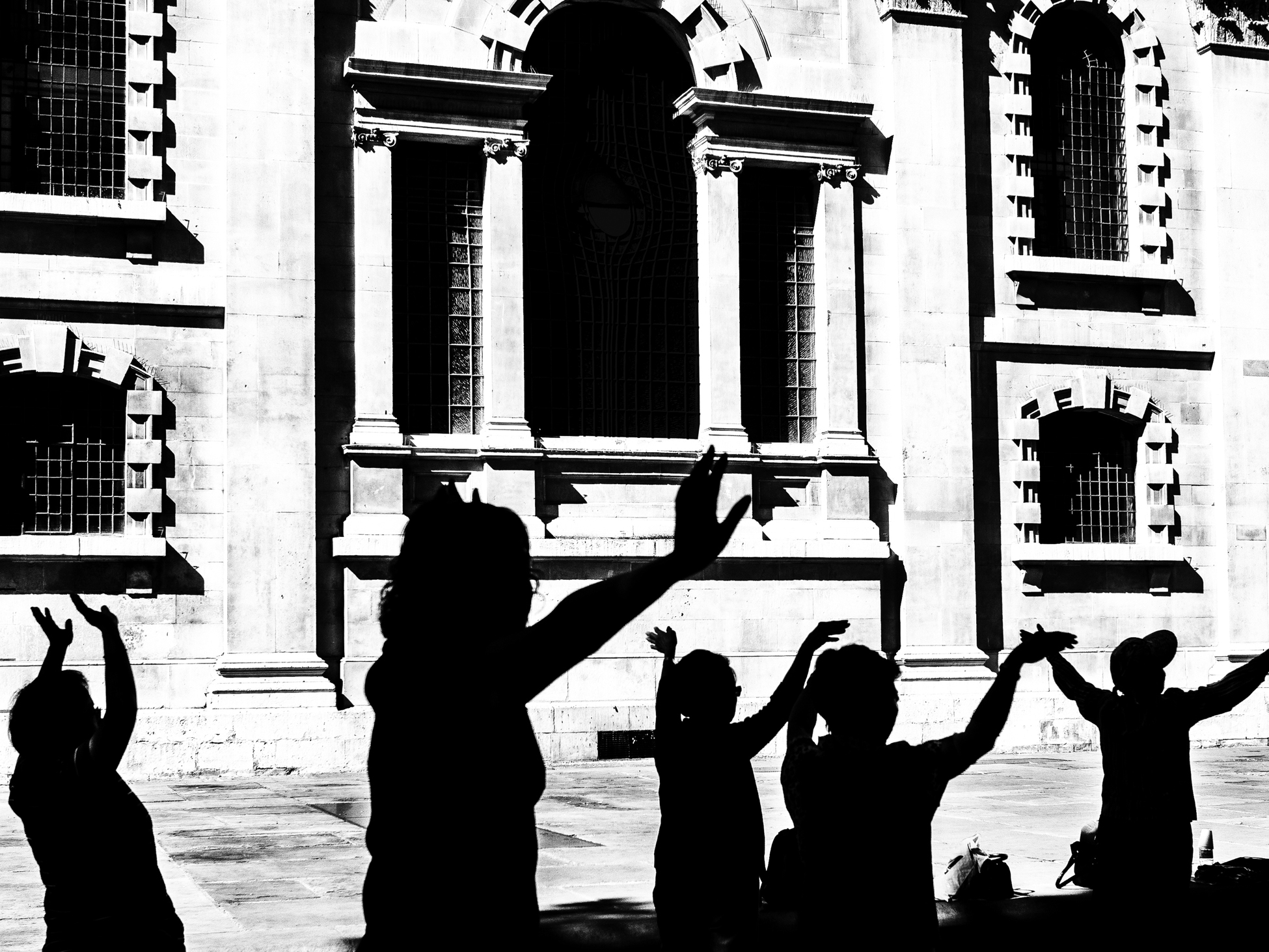
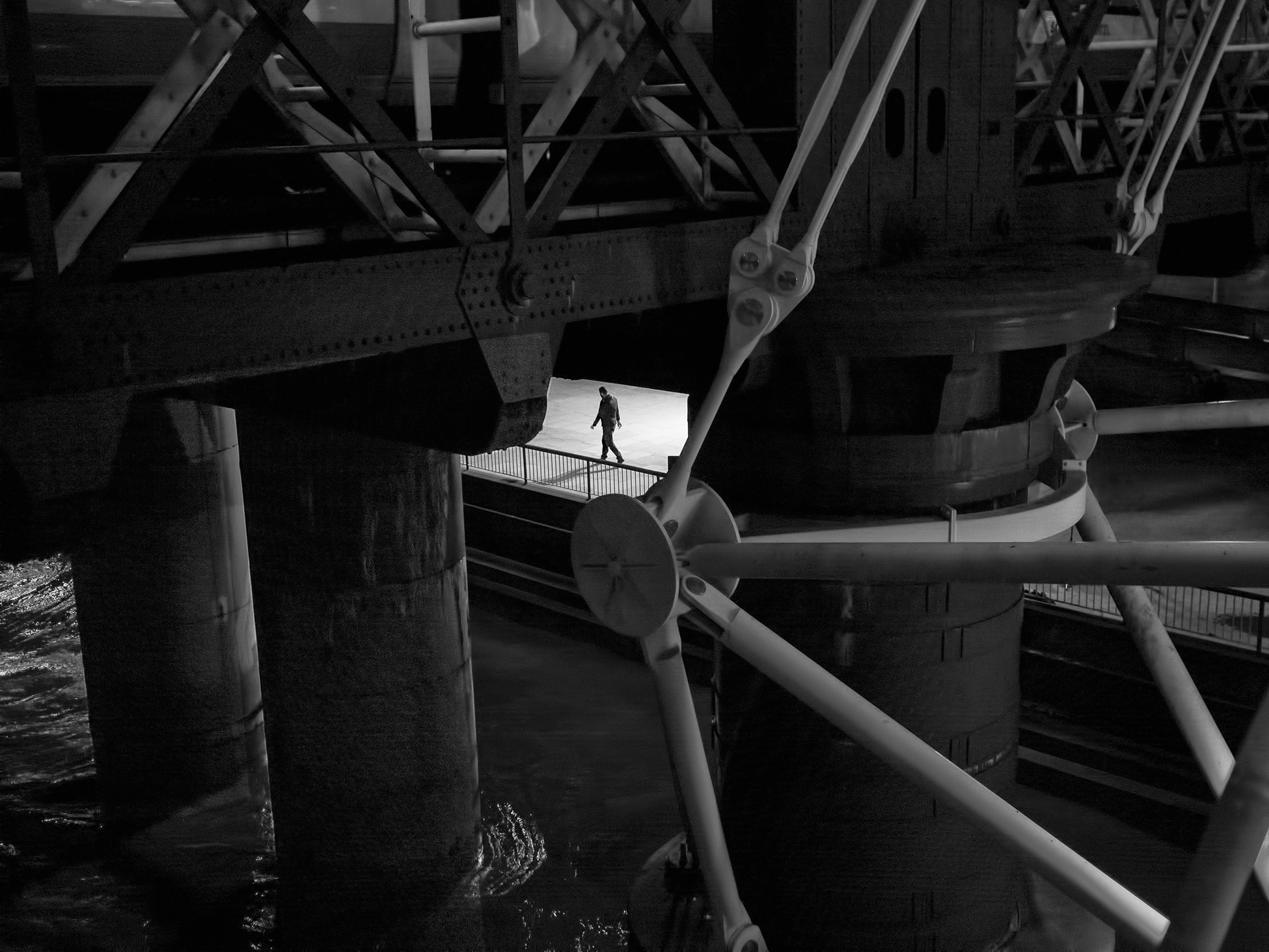
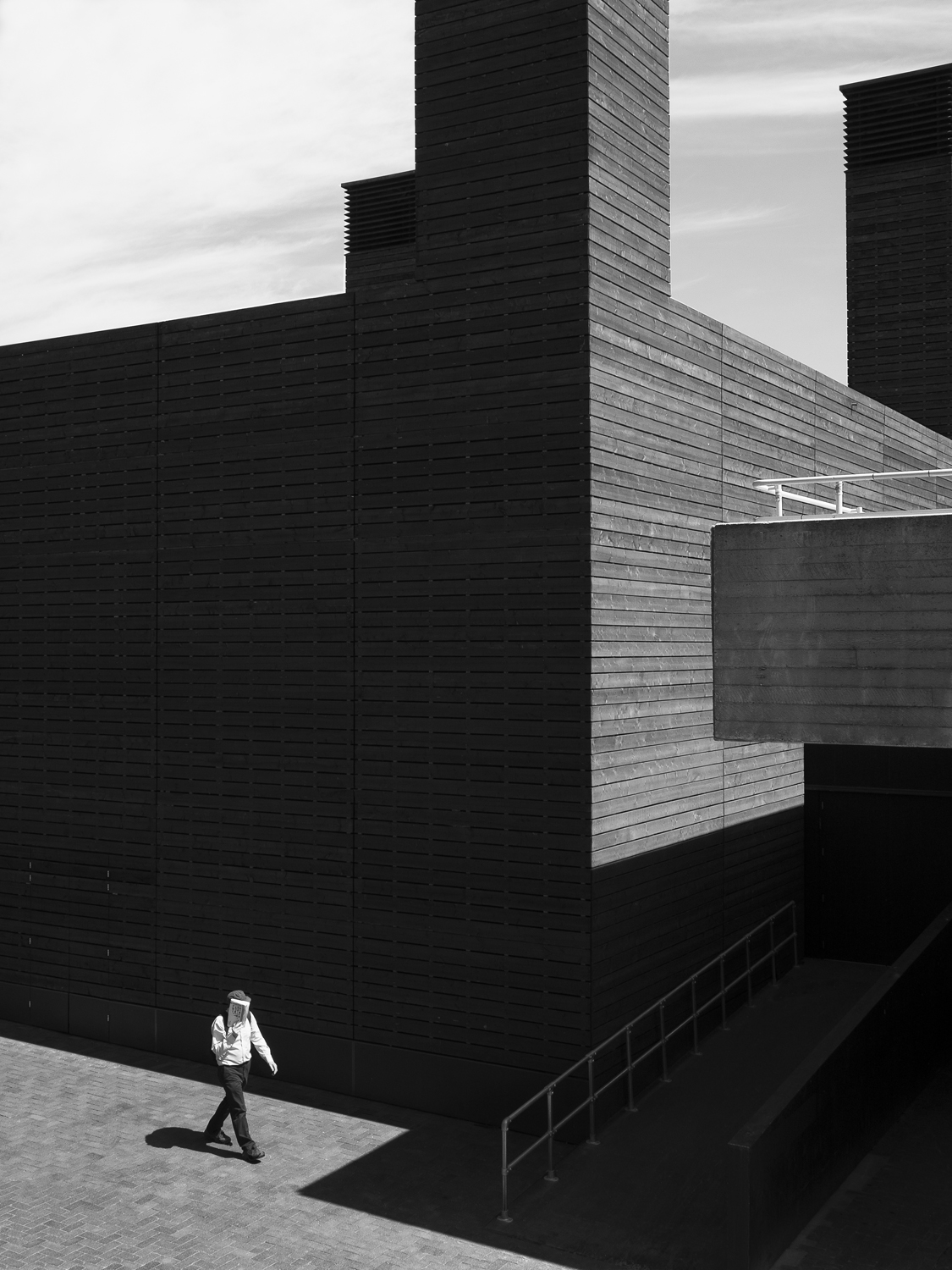
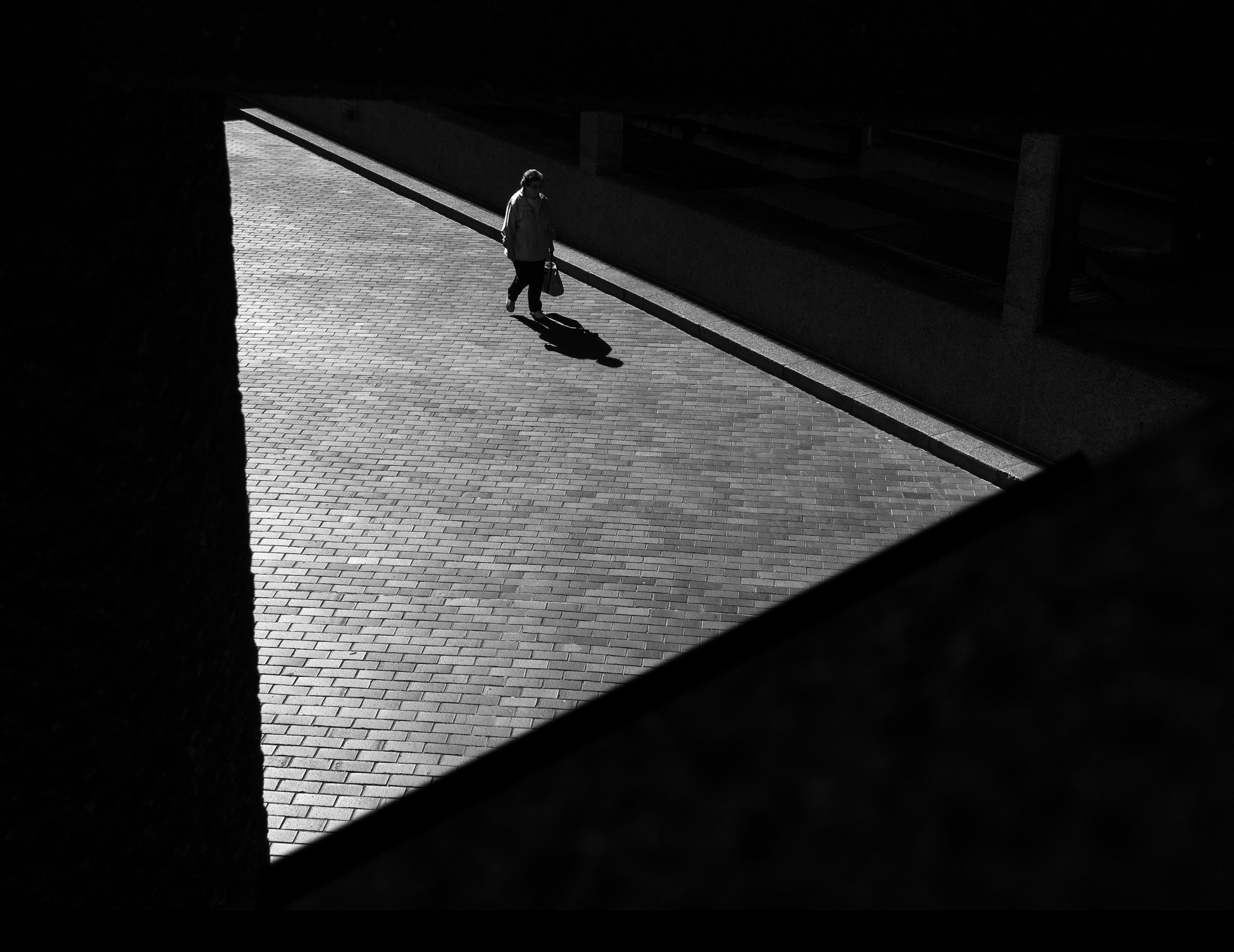
As with Metzker and Hervé, Vandervell turns to silhouettes, negative spaces, and shadows to achieve the high contrast look, and add mystery or the feeling of isolation, depending on what the scene calls for. But one thing that the aesthetic is able to do effectively for his photos is to hide unwanted elements or clutter that would otherwise distract viewers.
“Human silhouettes and negative space are very important in the style of pictures I take. They are graphic elements that play significant roles. If including a human silhouette I try to make sure that they appear in a characterful way. Not just standing still but as animated as possible, I’ll try to capture them in full motion. Negative space also plays a big part in my compositions; using a ‘less is more approach’ often works well.”
Copyright ⓒ Rupert Vandervell
Copyright ⓒ Rupert Vandervell
Copyright ⓒ Rupert Vandervell
Copyright ⓒ Rupert Vandervell
Street photography that reveals man’s interaction with the built environment
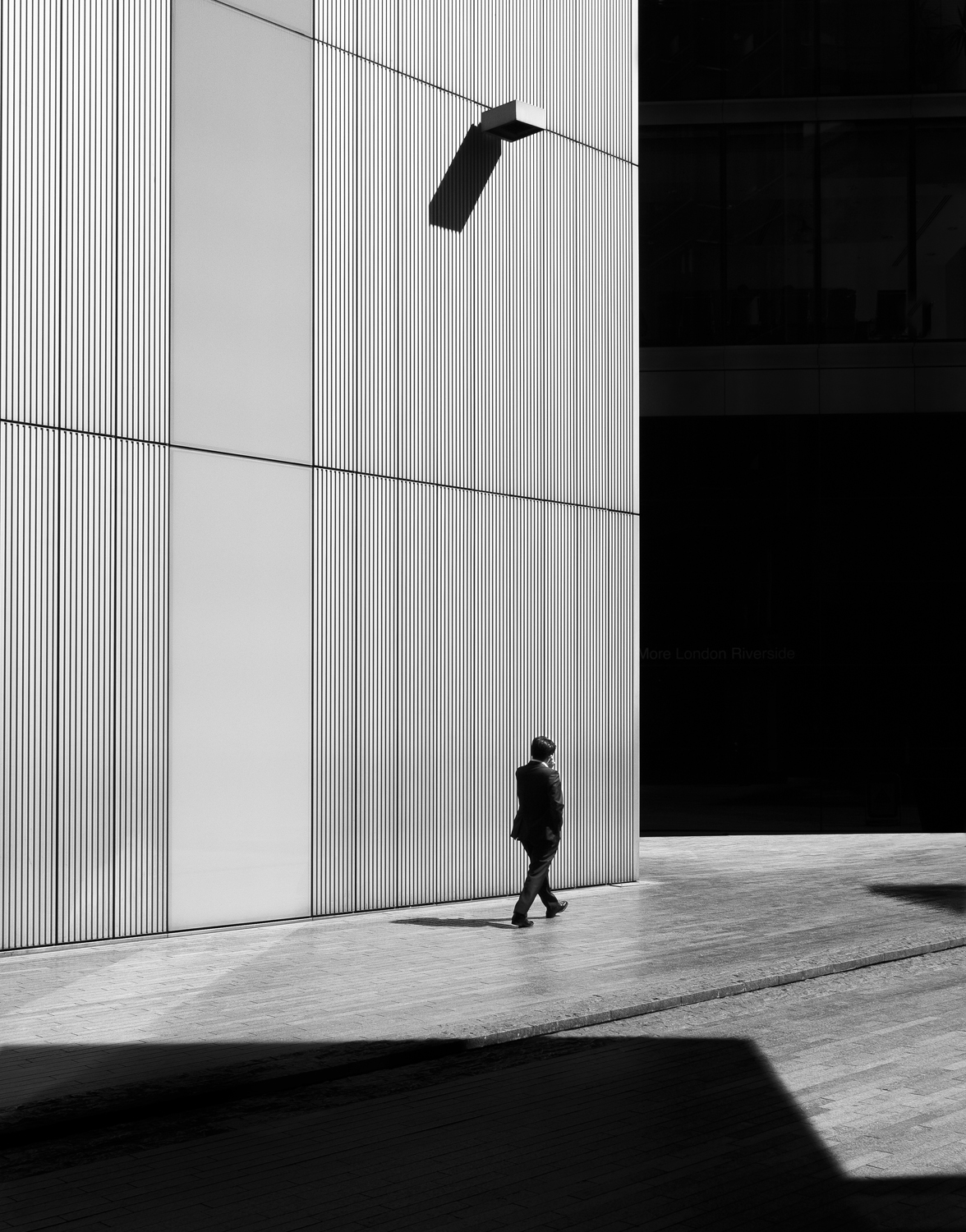
Another detail that is always present in Vandervell’s work is the human element, often a lone human subject set against the textures, shapes, and patterns formed by the high-contrast approach. This juxtaposition of the built environment and the human form, he says, is a recurring form in his work, often as a representation of man’s interaction against the built environment.
“Once I have discovered a potential scene, I will play around with it and frame and compose, moving around the area to explore it in full. If I find a good scene I will then look to see how I can fit the human factor in to bring scale and perspective to the picture,” he notes.
During these photowalks, he notices how light creates a geometric heaven of shapes and forms, all neatly arranged; other times, an assortment of objects, street furniture, signs, road markings combine to produce something more abstract. Incorporating a human element to complete his composition needs some sort of decisive moment at work, since the balance and structure of the image relies on their placement in the frame.
He explains, “A photograph can be a success or failure depending on the location of certain elements, and in my pictures, the positioning of any human subject can be critical. I use all elements in a graphic way,” and the order and placement of them will make or break the image.
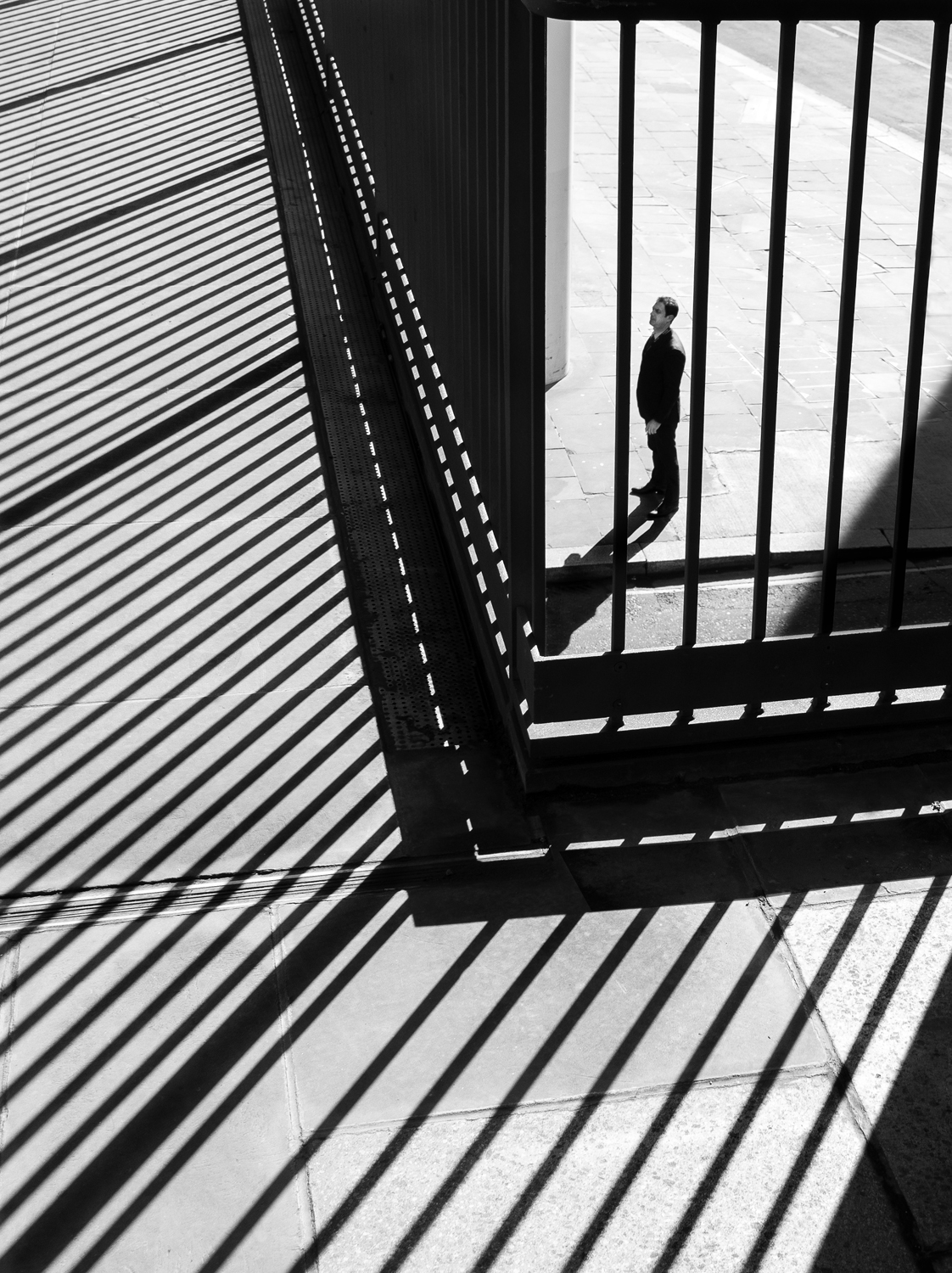
A great example of this delicate balance at work, he says, is the photo below. While he doesn’t have a favorite photo in particular, he says it perfectly sums up his style:
“Light, shade, geometry and human factor. Taken in 2012, I was on one of my city walks in London on a fine spring morning exploring my favourite places when I noticed the geometric shapes being created by the sun coming through the metal railings.
“I had to be quick because the man seen below looked like was having a smoking break from his office and he was moving around somewhat.
“I worked out the composition and framing, deciding where I wanted the man to feature, I exposed for the light area of ground he was standing on, stopped right down to f/16 and got the shot. Looking back, this was a most satisfying capture because the area has since been re-developed and the highwalk I was shooting from no longer exists.”
Copyright ⓒ Rupert Vandervell
Today, Vandervell runs his own YouTube channel where passes on what he learned from studying other photographers and developing his own street photography style. Noticing that his audiences are mostly looking to improve their composition and create a striking or dramatic street photography, he primarily focuses on the importance of developing a style that represents oneself above anything else.
“By doing this, you will make pictures that you feel belong to you and have more personal meaning. I have always been interested in minimalism and the geometric look and so, of course, I wanted my pictures to highlight that. There is nothing new under the sun, but by letting your personality influence your picture taking, you will find the whole process much more rewarding.”
Make sure to visit Rupert Vandervell’s website, Instagram, and YouTube channel to see more of his street photography and learn his useful photography techniques.

Leave a comment