
Gül Kanık: On Internal and Intentional Street Photography
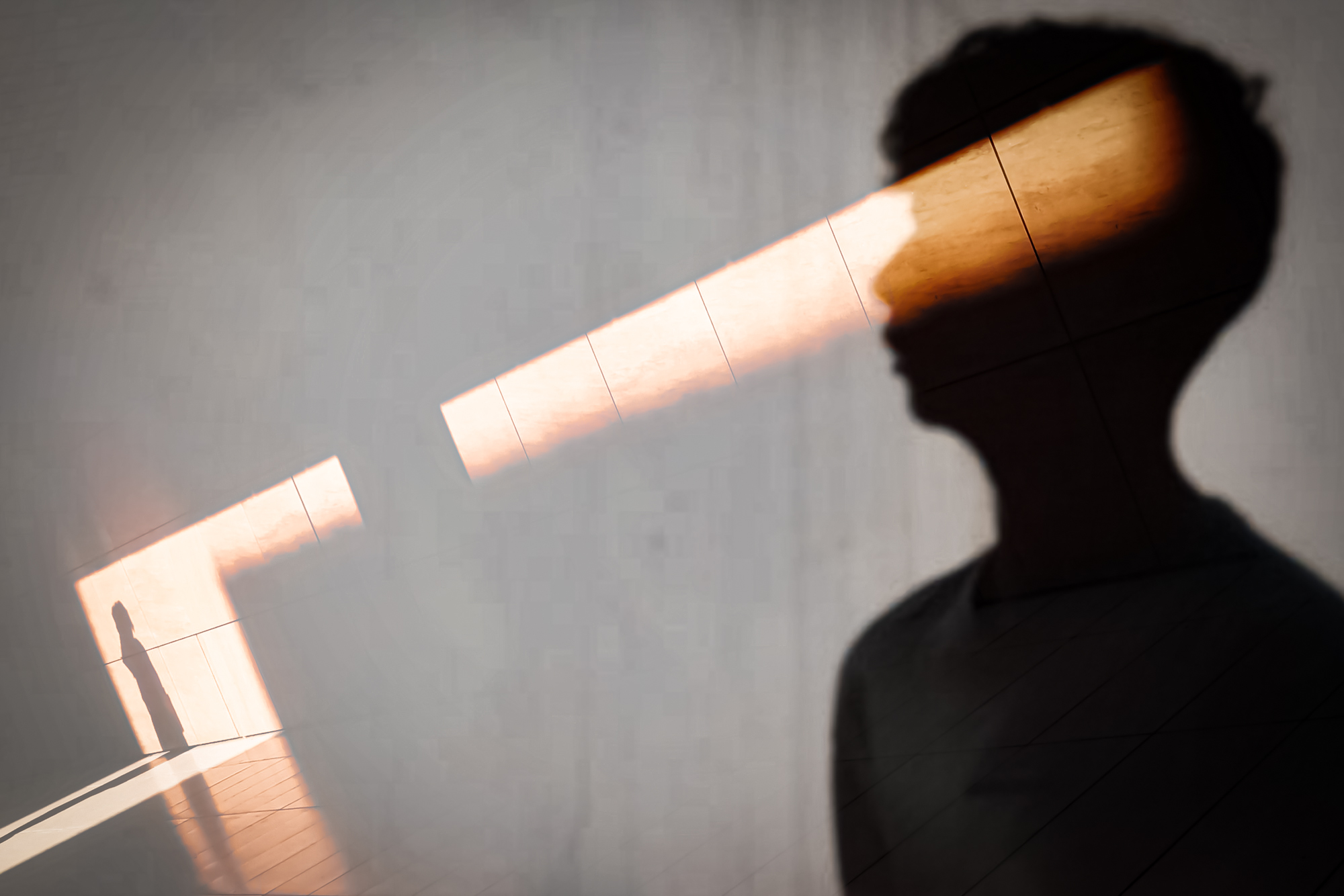
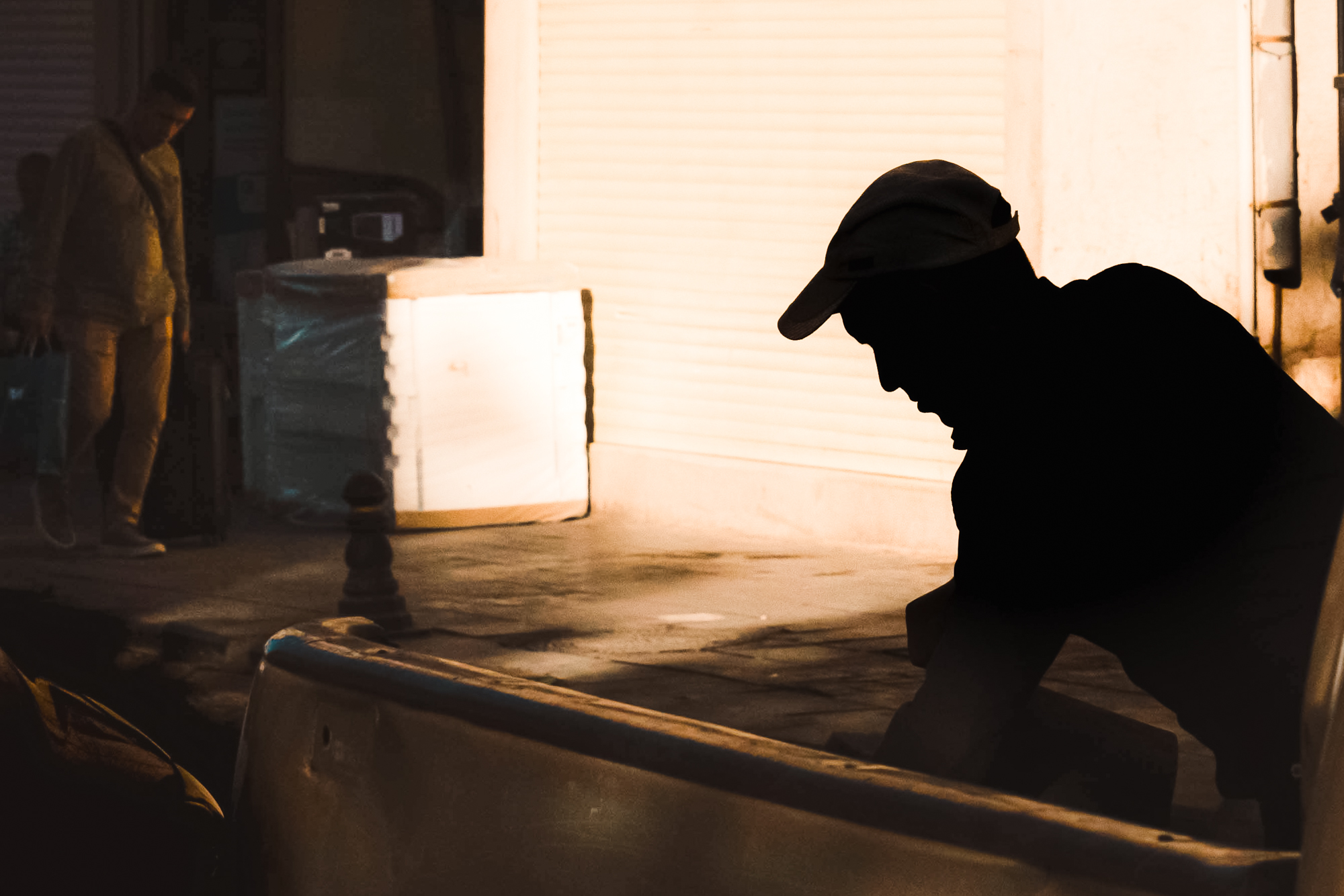
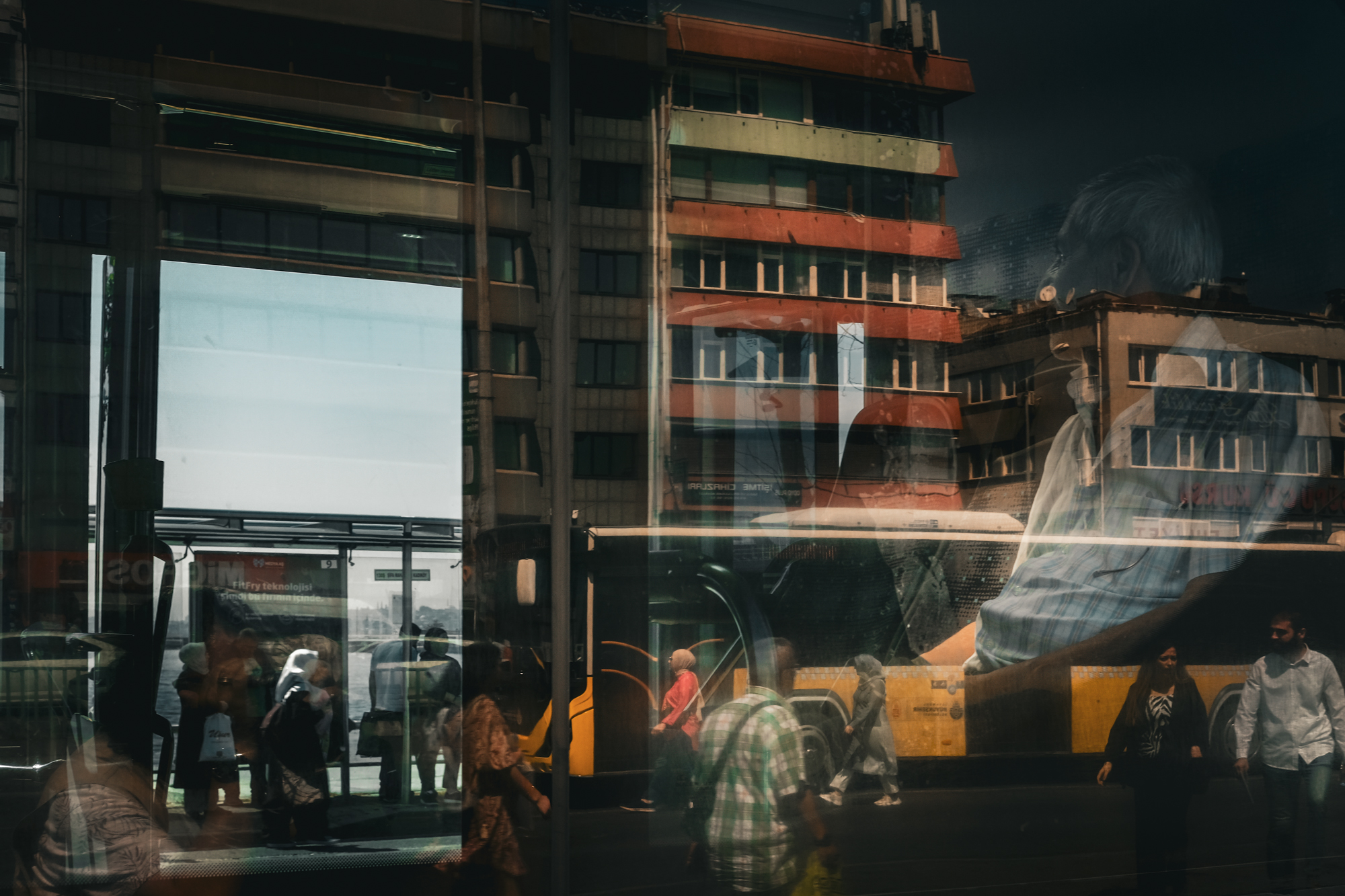
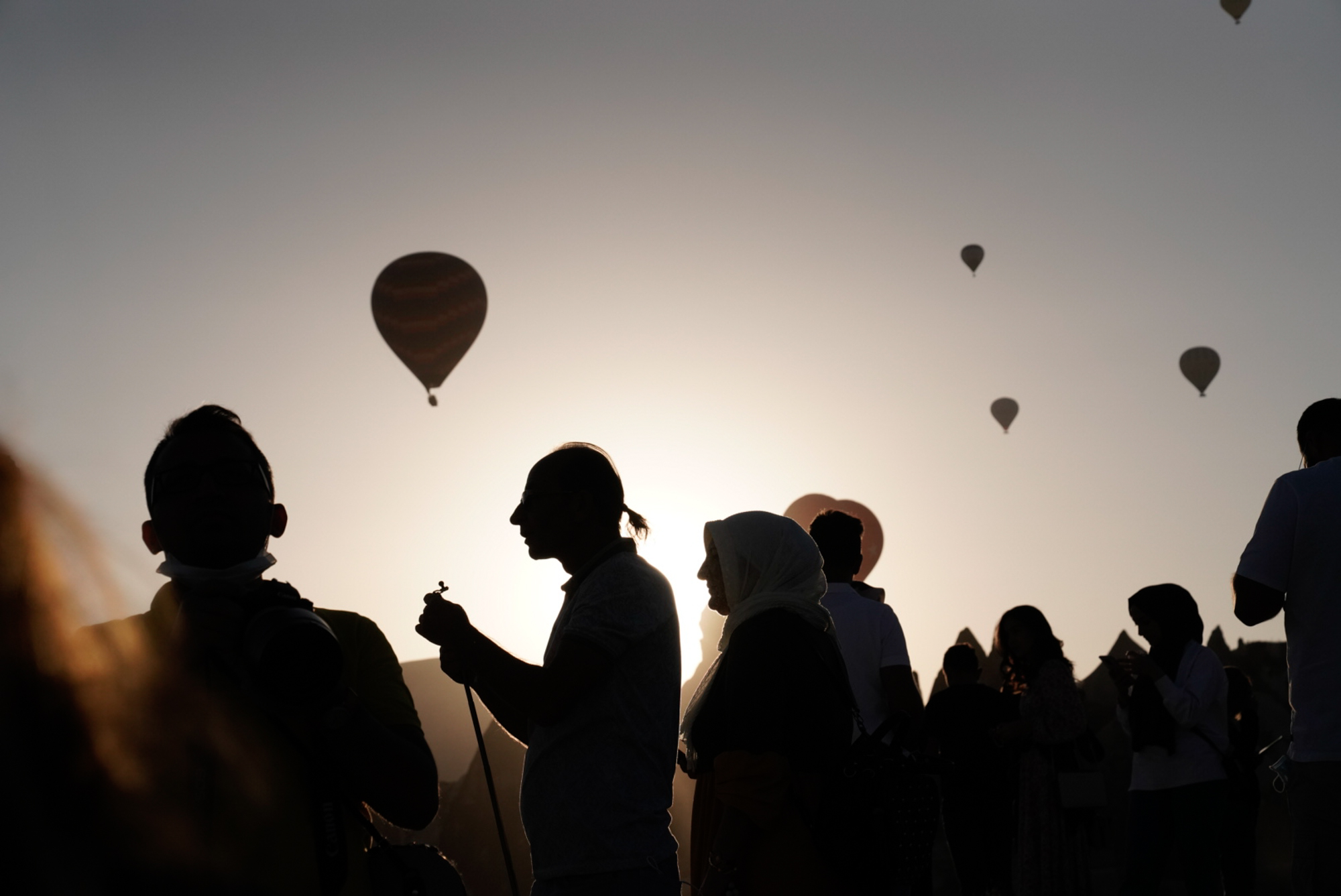
Carefully composed silhouettes. Clever use of reflections and double exposures. Unexpected use of various surrounding elements as framing devices. Creative techniques like these aren’t always the visual tools of choice for many street photographers. But for Istanbul-based Gül Kanık, it became part of her process as a result of the natural progression of things.
“At the beginning, I was just taking photos without thinking too much about technique,” she shares. “Over time, I became more aware of light and composition. So these approaches developed naturally as I practiced more.”
Kanık’s street photography journey began rather naturally as well. After her mother passed away, she started taking photos simply as “a way to fill a space — a kind of emptiness her absence left in my life.” Photography, she added, became something she could hold onto at the time. Later, she came to an important realization that would shape her creative vision.
“We don’t just see the world as it is — we see it as we are.”
It begins with a connection
Every street photographer’s work reflects how they see and interact with the environment they find themselves exploring. Kanık is no exception. But for her, it doesn’t come with following a strict schedule for street photography. Instead, it happens when she feels connected to the city.
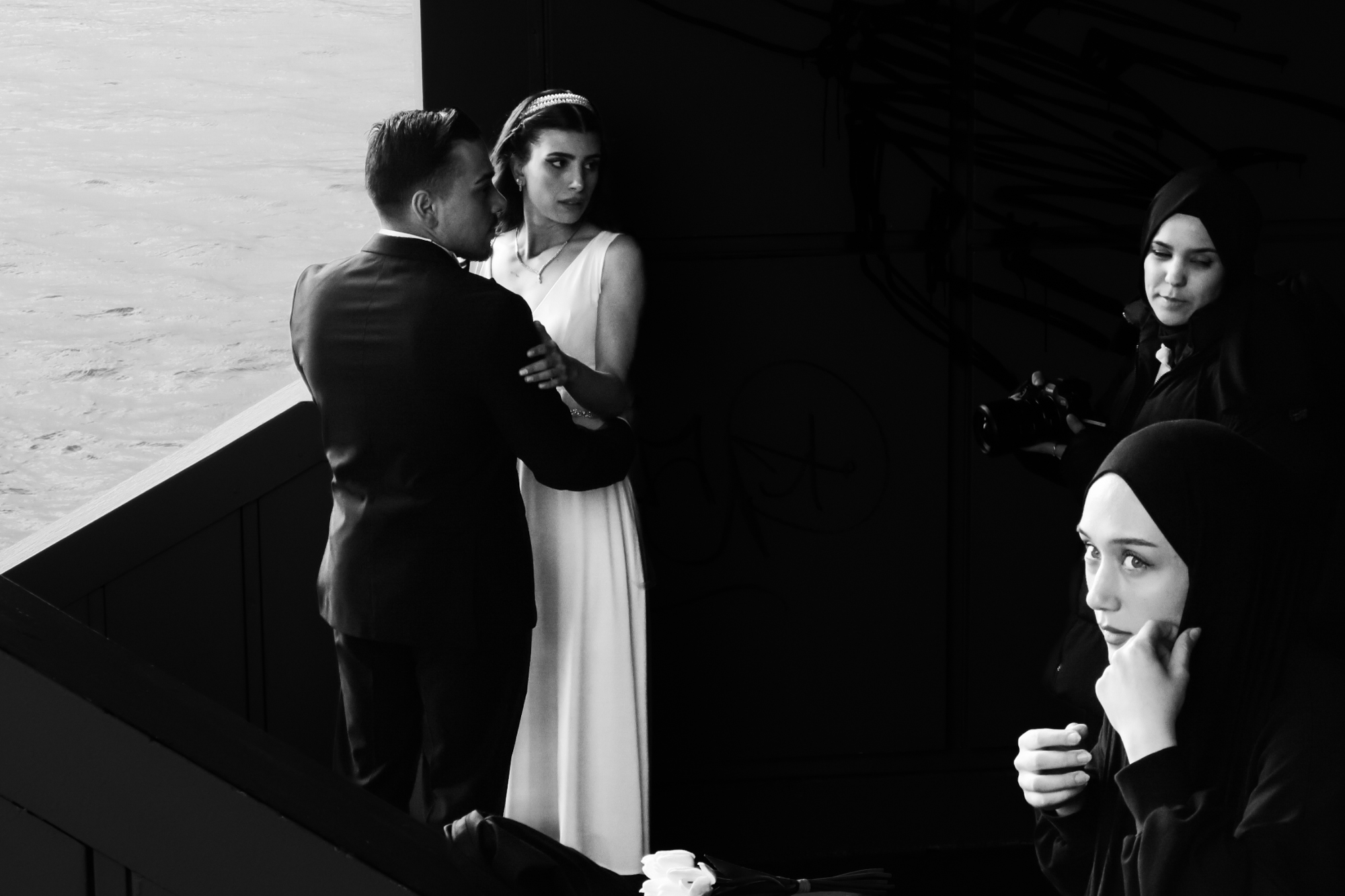
“Usually, I find myself taking photos when the light is interesting or when there is a contrast — like calm vs chaos, light vs shadow, or people lost in their own world. These moments pull me in.”
Kanık also doesn’t chase scenes too much. She finds it more effective and organic to try anticipating picture-perfect moments, like someone entering a frame or scene, or the light hitting a subject in a certain way. ”What helps me the most is patience and being present. I don’t try to control the scene; I try to align to it,” she adds.
Copyright ⓒ Gül Kanık
Copyright ⓒ Gül Kanık

Copyright ⓒ Gül Kanık
Copyright ⓒ Gül Kanık
Copyright ⓒ Gül Kanık
Natural and emotional
“Emotional” isn’t the first word most photographers would associate with street photography. For Kanık, however, it’s one of the visual qualities she strives to imbue in her work. Creative techniques prove useful, as she often uses shadows, silhouettes, and framing to simplify the scene and focus the viewer’s attention. They also create the impact that she hopes to create through her photos. By bringing emotion into the picture, she is able to invite viewers to see a city as a treasure trove of unnoticed art that unfolds everyday.
She elaborates, “For example, shadows can create mystery, silhouettes can make a scene more universal, and framing helps guide the viewer’s eye. I try to use them in a natural way, not forced. I believe that even the most ordinary scenes carry something different — a detail, a feeling, or a moment that breaks the pattern. I’m drawn to subtle contrasts like light and shadow, stillness and chaos, presence and absence.”
Kanık’s choice to incorporate creative techniques also aligns with her preference for a minimalist rather than documentary-heavy street photography. Less is more, she stresses, as too many elements can distract from the main subject. All these qualities also come together to embody what she believes is the ideal street photograph: Simple but meaningful.
A story or feeling
“It should tell a story or create a feeling,” Kanık says on what makes a photo simple but meaningful. As with any genre, an effective street photo incites a reaction from the viewer. Most about this, she learned as she went, but for some of her favorite street photographers also had a strong influence on how she approaches the craft.
“From Alex Webb, I’m inspired by the way he builds complex frames with multiple layers, colors, and interactions. His work shows that a single image can carry more than one story at the same time. Saul Leiter’s work resonates with me on a more emotional level. His use of color, reflections, and minimal compositions creates a quiet, almost poetic atmosphere. It made me more aware of subtle details and the power of simplicity. Vivian Maier, on the other hand, inspires me with her ability to capture honest and unfiltered moments. There is a strong sense of authenticity and observation in her photographs that I deeply connect with.”
What she finds to be the common denominator of these photographers is their ability to find and capture something unique in the ordinary. This idea strongly influences her work and her search for every story or feeling to impart in her street snaps. “I’m always searching for the ‘non-standard within the standard’ trying to reveal something unexpected in everyday life.”
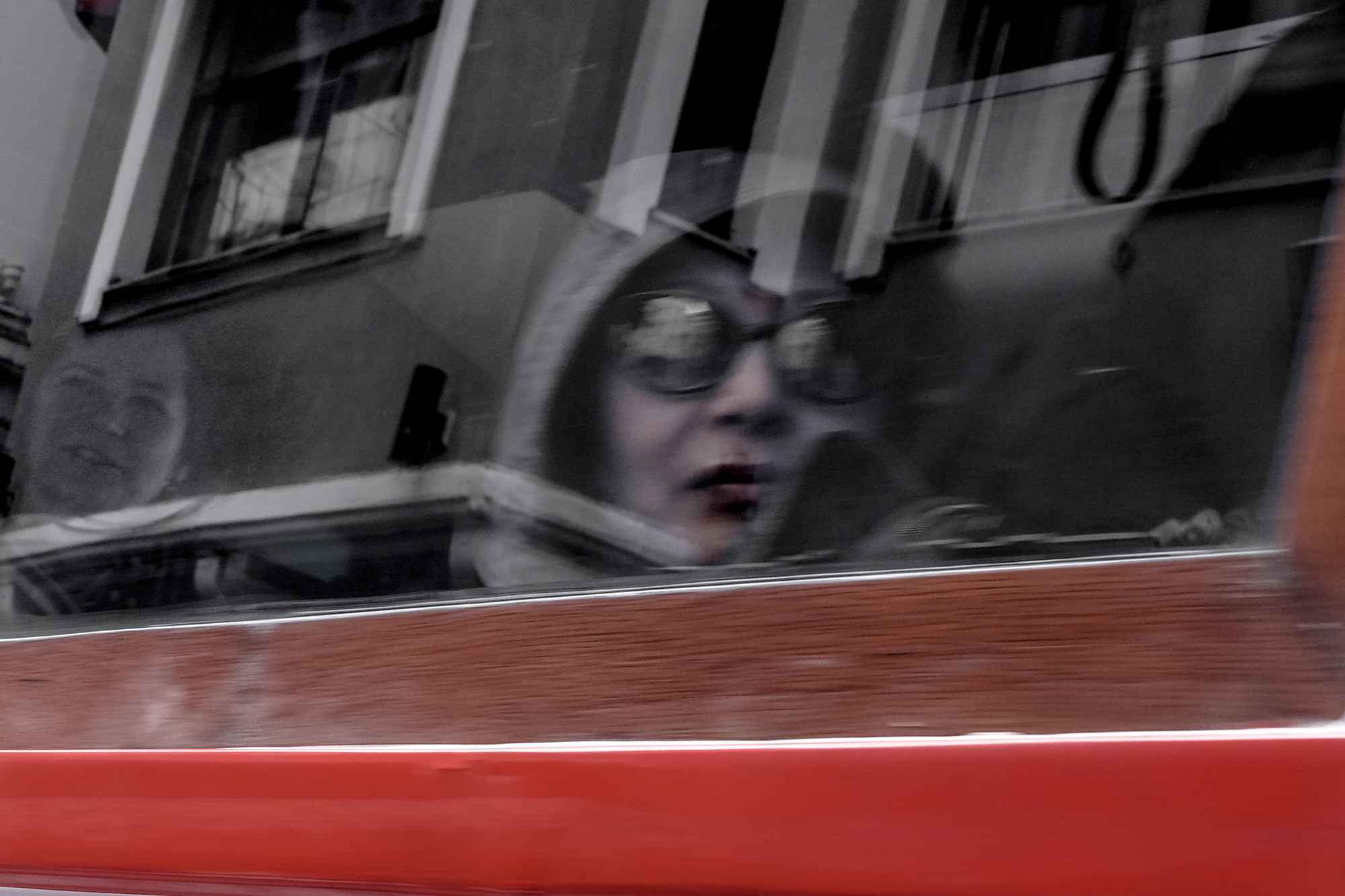
Copyright ⓒ Gül Kanık
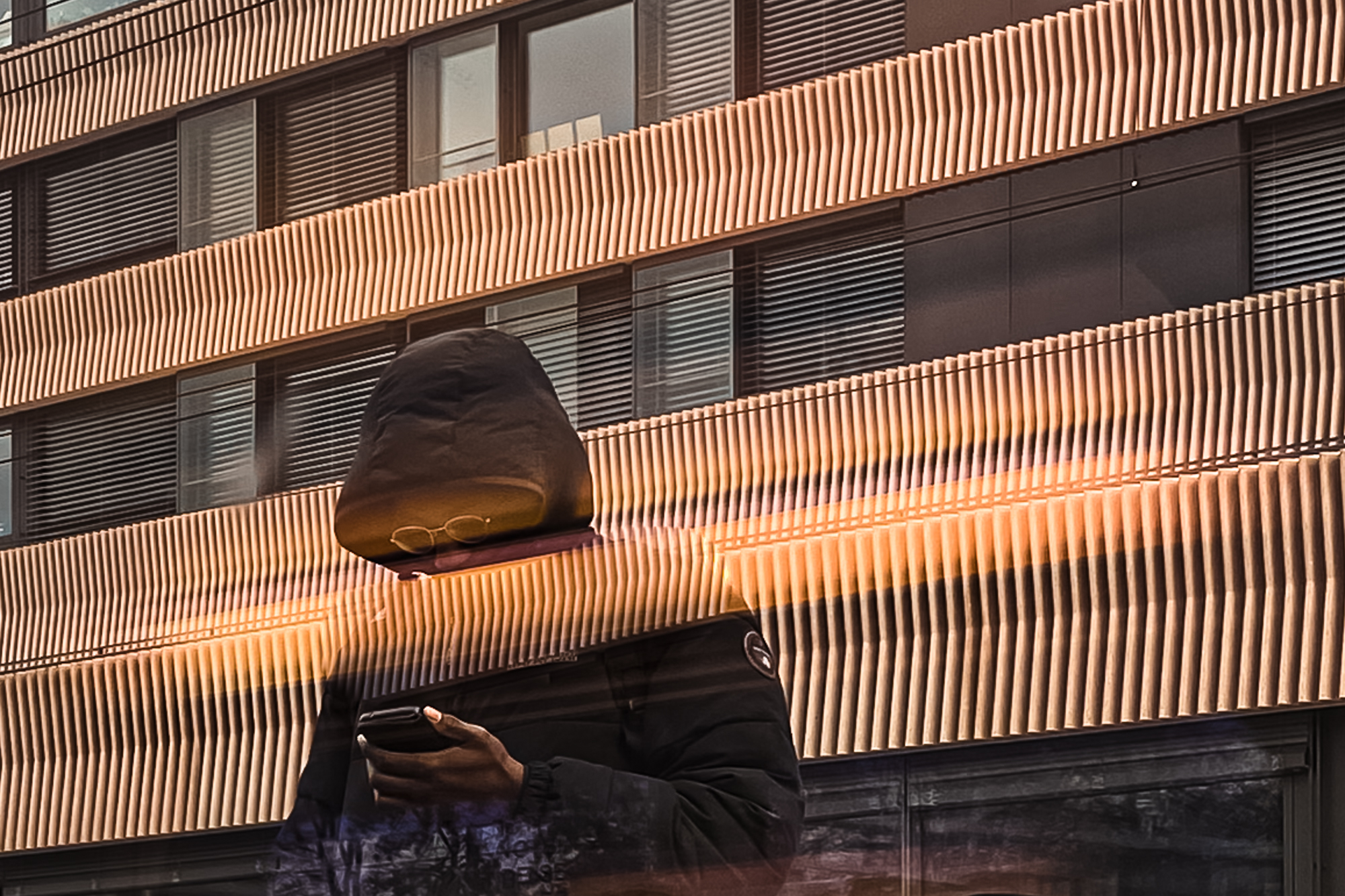
Copyright ⓒ Gül Kanık
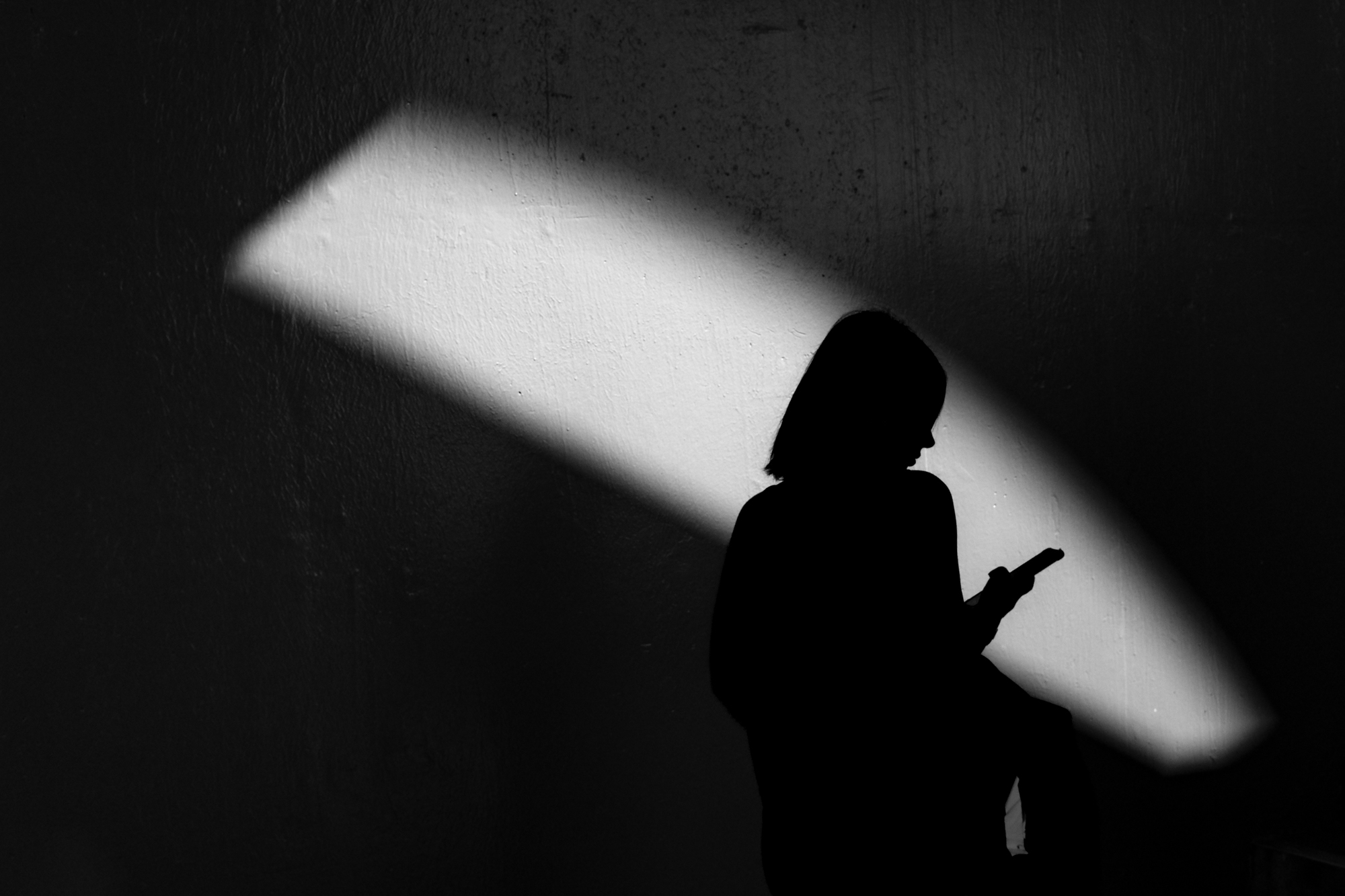
Copyright ⓒ Gül Kanık

Copyright ⓒ Gül Kanık
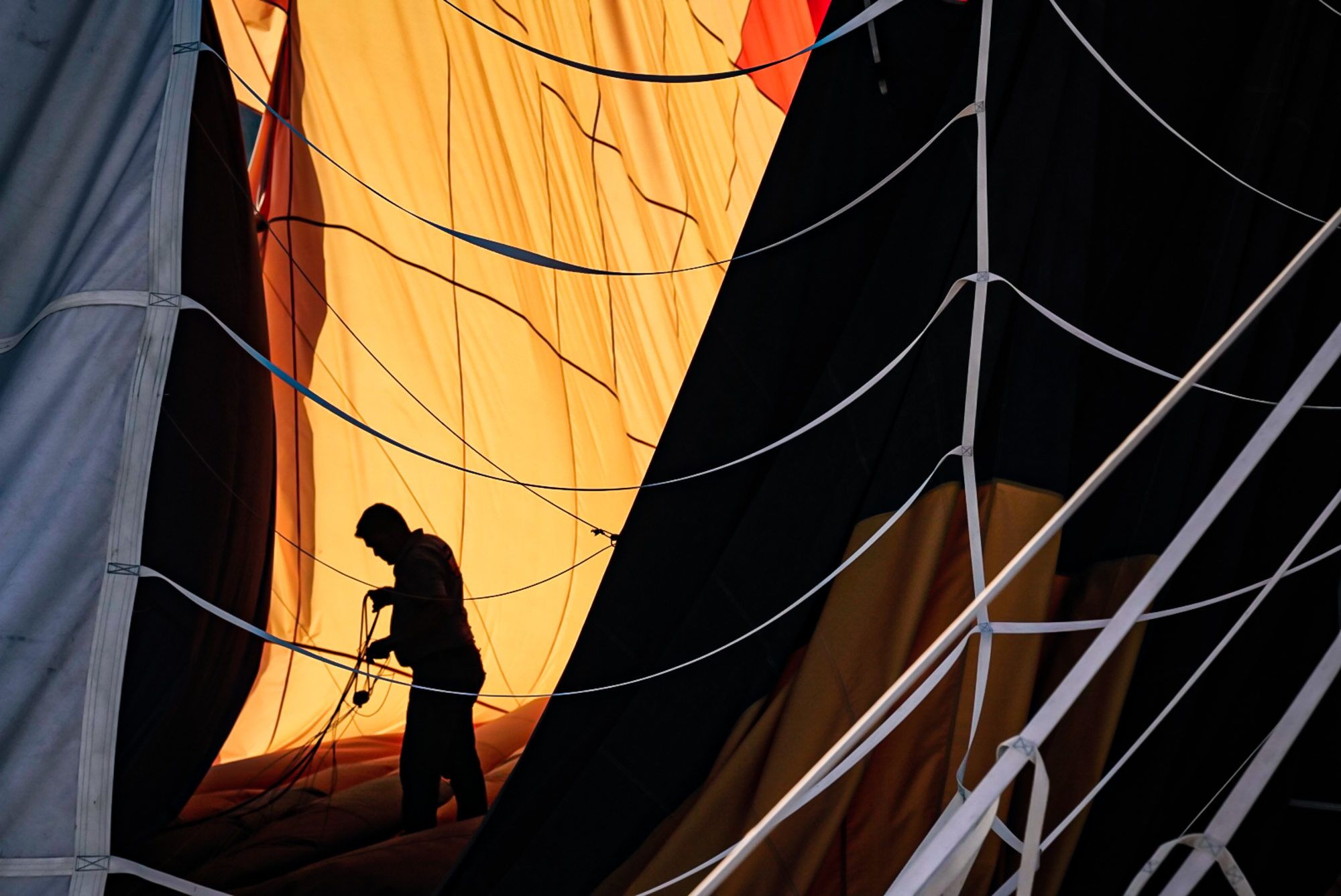
Copyright ⓒ Gül Kanık
Copyright ⓒ Gül Kanık
The quest for authenticity in street photography
Every street photographer seeks authentic and unfiltered moments to immortalize, but Kanık also understands that this quest is one of the craft’s biggest challenges. “Sometimes, people notice the camera and the moment changes,” describing how a simple disturbance can lead to a missed shot.
“Also, not everyday is inspiring — some days nothing works. To deal with this, I stay patient and accept that not every walk will result in a great photo.”
But when it does work, the moment simply presents itself, and Kanık has learned to recognize when it unfolds outside of the streets. Such was the case in the story behind one of her favorite photos, where a sunset photo became something personal and intentional:
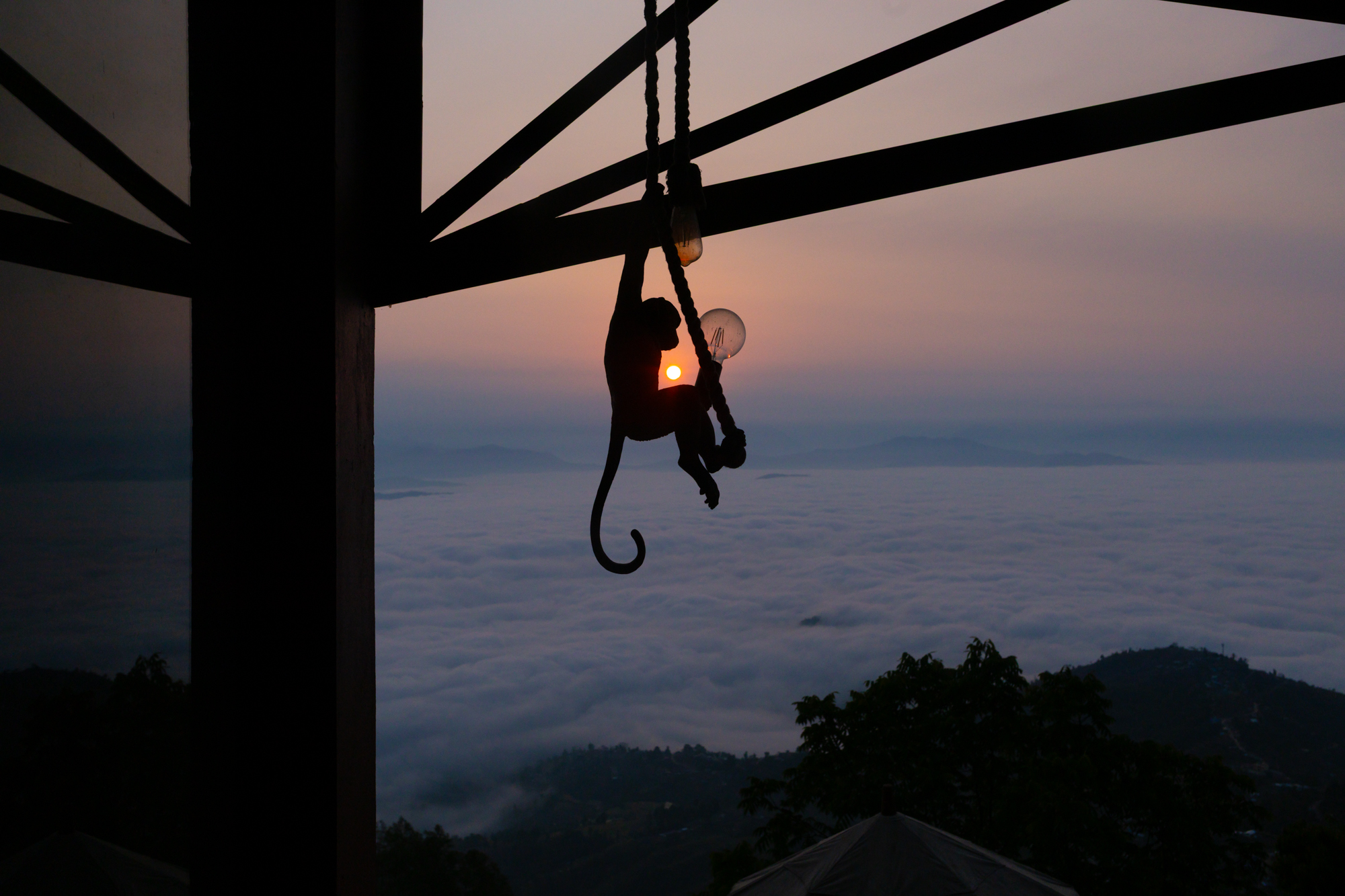
“One of my favorite photos (Thought strictly not Street Photography) was taken in Nepal, during a trip in April 2019 with one of my photography mentors, Cenk Gençdiş, who has had a significant influence on my journey. We were in Nagarkot, working on sunset photography. The view was breathtaking — at 2,175 meters, with Mount Everest visible in the distance. It was already a powerful scene, but when I looked at my frame, something felt missing. It felt too empty.
“The night before, during dinner, Cenk had explained the importance of framing. So instead of taking the view as it was, I started searching for something within the scene — something that could transform it. Then, I noticed a simple lamp hanging in the balcony structure. Including that small element completely changed the photograph. It gave the frame depth, balance, and a stronger story. Suddenly, it was no longer just a landscape — it became something more personal and intentional.
Copyright ⓒ Gül Kanık
“When I showed the photo to Cenk, he really liked it as well. But for me, what made it special was the realization behind it. It was the moment I understood that I’m not just capturing what is in front of me — I’m always searching for the ‘non-standard within the standard.’ Even in the most perfect view, I’m drawn to the small detail that changes everything.”
Through her internal and intentional approach to street photography, Kanık feels that she multiplies parts of herself, and that each frame bears her emotions, perspective, and inner world. “So for me, street photography is not just about walking around the city and capturing random moments,” she muses. “The city is just the surface — what I’m really capturing is something much more personal. I don’t try to show something extraordinary. Instead, I try to reveal the hidden uniqueness within the familiar, and show that even the most standard scenes can hold something deeply personal and unexpected.”
Make sure to follow Gül Kanık on Instagram to see more of her street photography.

Leave a comment