
Ayanava Sil: Street Photography Beyond Chasing Moments
Many who embarked on their street photography journey as self-taught photographers say that it started with a spark of curiosity. Learning how the camera works. Experimenting with different settings to take better photos. Taking a camera with them everywhere they go. It may not be a serious undertaking at first, but as days pass, the camera slowly becomes an extension of themselves, a tool for creative self-expression, and a means of documenting how they see the world.
Such was the case for Kolkata-born photographer Ayanava Sil, who did not expect that street photography would become an important part of his life. From being handed out the camera to take photos of family gatherings and celebrations, he eventually heeded the call of curiosity for how the camera works and how to take better photos with it.
“I began experimenting on my own and watching YouTube videos to learn more about the technical side of photography,” he says, also citing DigitalRev TV and its host Kai Wong as some of the major influences that led him to pursuing street photography in 2012. “I was drawn to his humorous and energetic style as he reviewed cameras while walking through the streets of Hong Kong and capturing candid moments. Through his videos, I learned how to capture natural moments without disturbing the scene or making people uncomfortable.”
However, it was his discovery of the APF Street Photography Magazine that he began understanding how visual storytelling was more than simply documenting moments. Through its virtual pages, he learned how photographers around the world transform an ordinary street scene into meaningful captures through timing, observation, and emotion.
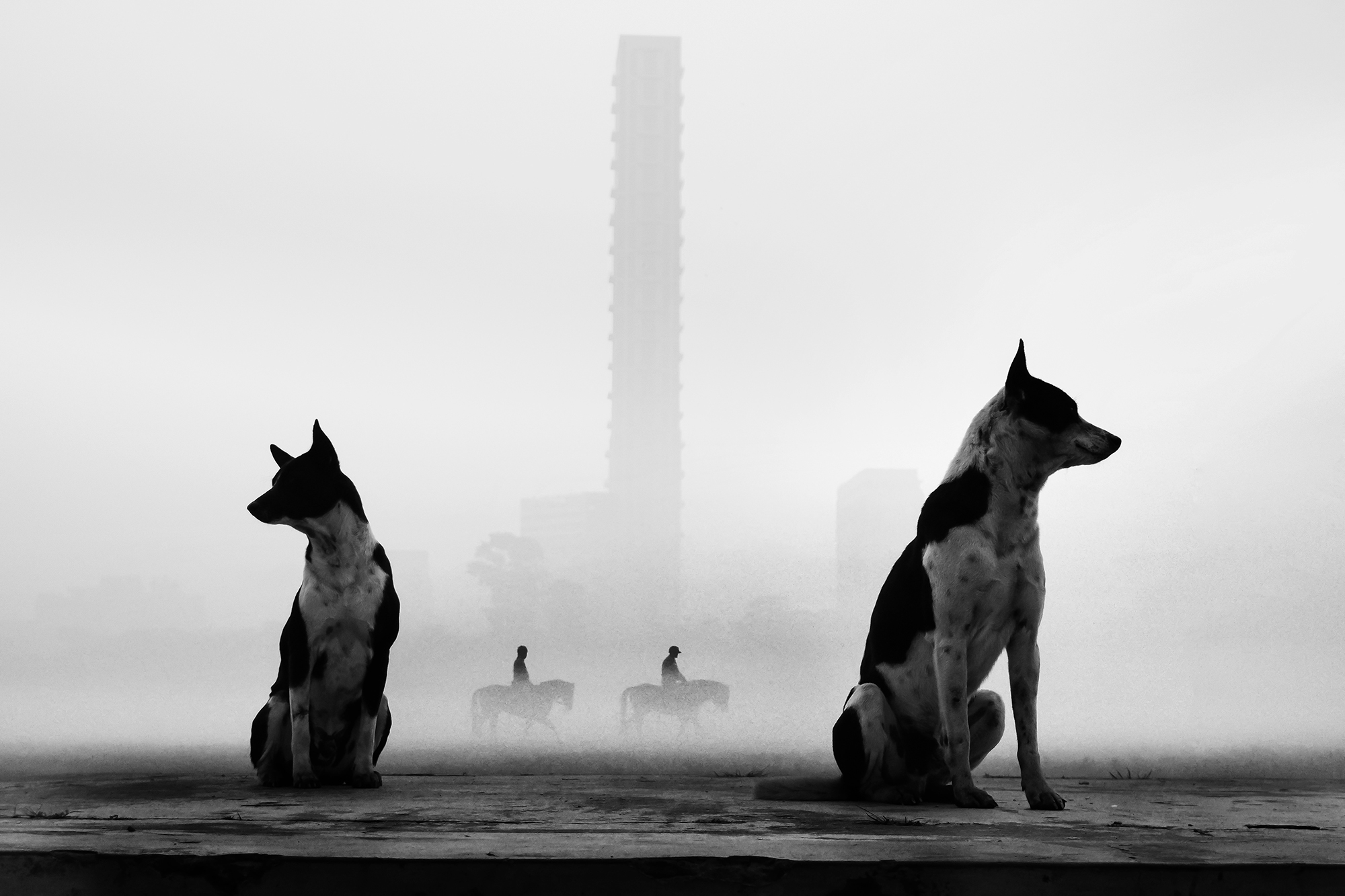
Copyright ⓒ Ayanava Sil
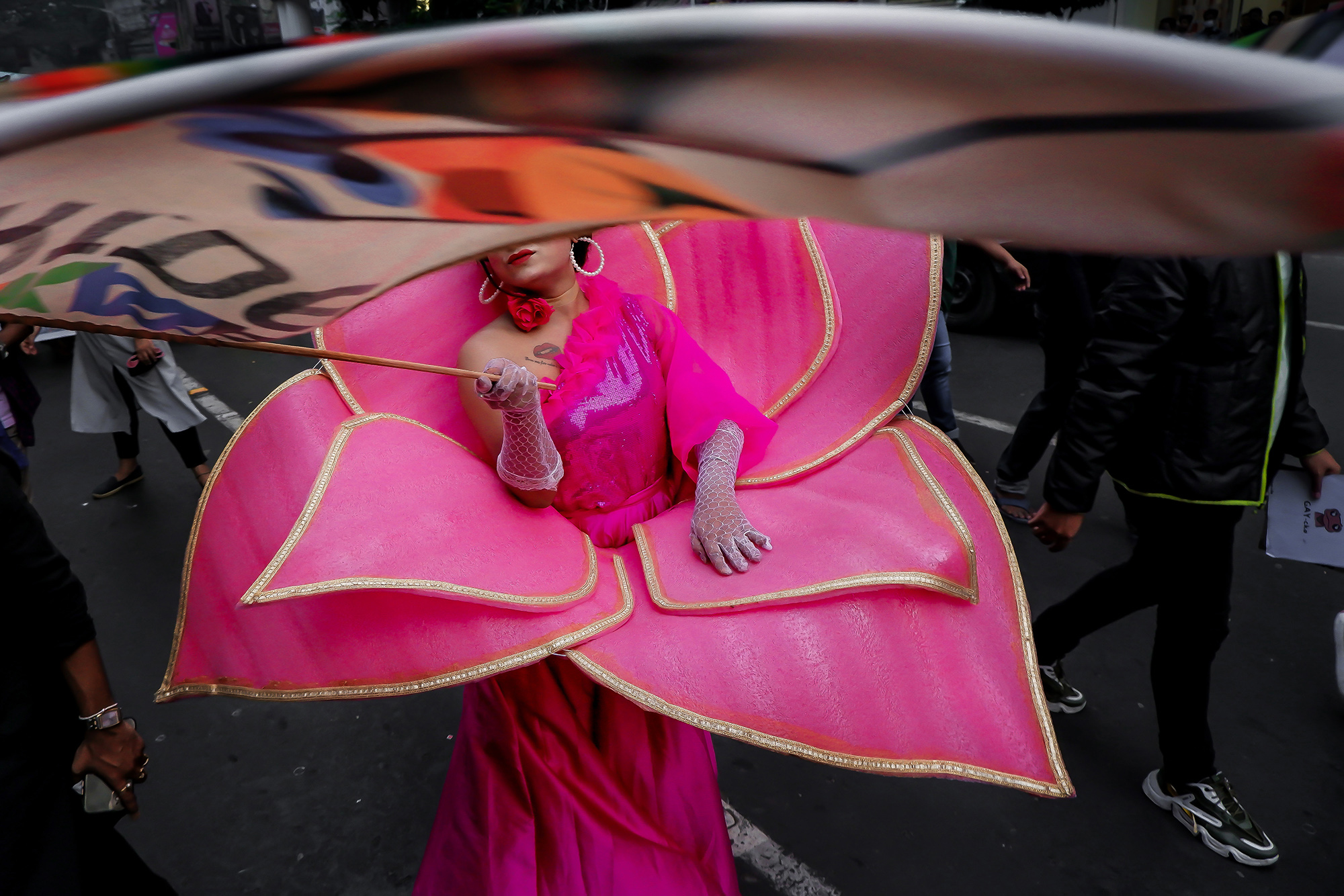
Copyright ⓒ Ayanava Sil
The real turning point
The real turning point for Sil came when he came across Kolkata street photographer Soumya Shankar Ghosal, whose work changed the way he looked at his surroundings. “His photographs stayed with me because he was photographing the same city I knew so well, the streets I had grown up around and walked through every day,” he adds. “Until then, I believed I had to travel somewhere special to find something worth photographing.”
Once he learned that stories and capture-worthy moments unfold on the street daily, the curiosity became a full-fledged love affair with street photography. Realizing that the streets bring unexpected and ever-changing scenes, he knew that he had to keep shooting and be present when they happen.
So, it’s no surprise that Sil attributes most of his growth as a self-taught street photographer to the simple act of being out shooting. More than merely practicing and mastering his camera, building this routine also allowed him to learn from his mistakes and contemplate what he could have done better or differently. By virtue of having a lot of photos to examine, he was able to realize what worked and what didn’t, and reflect on his progress.
“One of the biggest lessons for me has been learning to slow down. When I first started, I was always looking for dramatic moments and often took far too many photographs. I was also heavily influenced by photographers I admired, and sometimes I tried too hard to photograph in a style that resembled theirs.
“With time, I began to understand that street photography is not always about chasing a moment. Sometimes, it is about finding a promising scene and waiting for something to happen within it.”
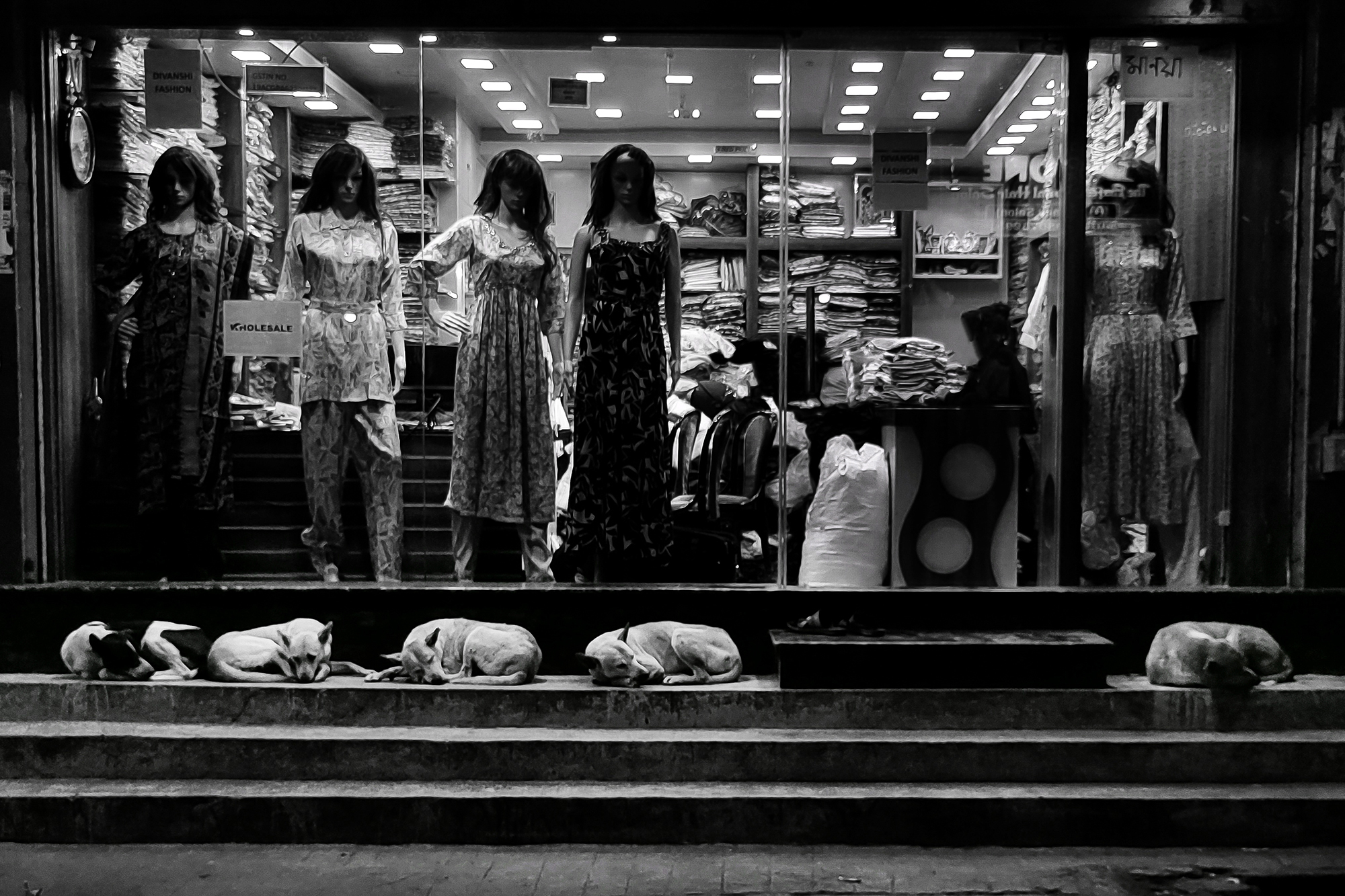
Copyright ⓒ Ayanava Sil
Taking photos vs. telling stories
Street photography is a life-long learning opportunity for many creative minds, and Sil is no exception. Aside from the awareness that his style has changed a lot yet continues to evolve, he is also becoming more comfortable with allowing it to develop naturally. So, it doesn’t come as a surprise that he doesn’t have a fixed creative process yet. However, one thing that has stayed consistent is the intent to bring an artistic quality to his work, whether it’s street or documentary photography.
“I feel that an artistic approach can give an ordinary moment more life and make the photograph more engaging,” he notes. This way, even if he starts out without a specific image in mind, he is able to present slices of life as more interesting stories than throwaway snapshots.
He also considers composition as a crucial component of his visual storytelling. By keeping the frames as clean and purposeful as possible, his compositions become strong and distraction free, allowing him to direct the viewer’s attention to the important elements of the image. Through intentional compositions, he’s able to interpret what he observes and understands as the soul of the place he photographs.
“I like to spend time in places where life naturally unfolds, like markets, river ghats, small alleys, festivals, events, or even quiet residential streets. I walk, observe, and try to understand the character of a place before I begin taking photographs.”
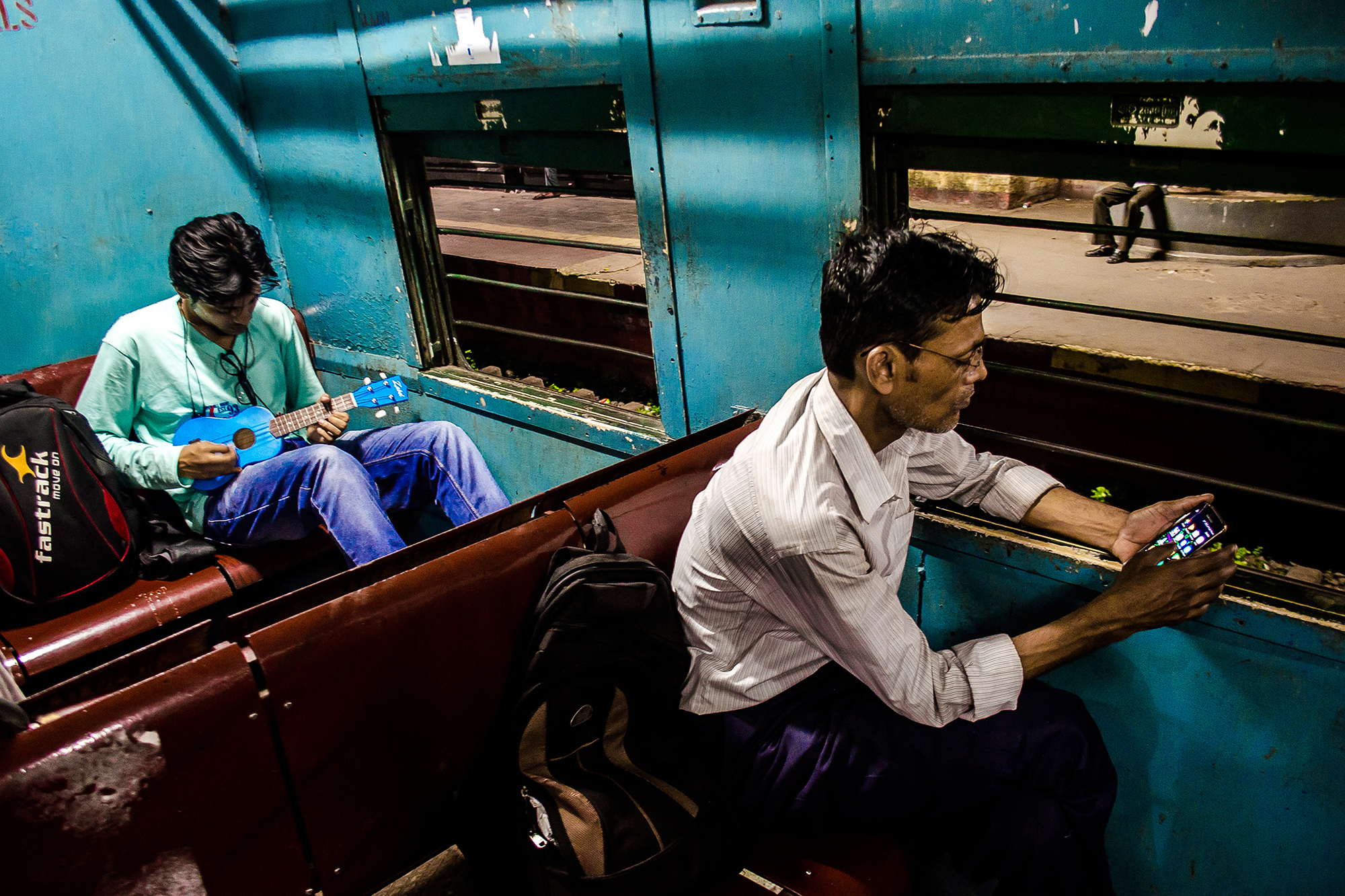
Copyright ⓒ Ayanava Sil
Street photography that sparks curiosity
Every photographer has their own conditions or criteria of what makes a photo ideal for their chosen genre. For Sil, however, it’s simply one that sparks curiosity. It doesn’t necessarily have to be an extraordinary moment, he says, but it has to make him pause and look at it more than once. “There should be something in the photograph, a strong composition, a connection between elements, an emotion, or a sense of mystery, that makes me curious.”
This curiosity, he adds, can also lead him to wonder what happened before the shutter clicks, or what unfolded shortly after. It may tell a clear story, or leave enough space for the viewer to come up with their own interpretation. “I think that openness is an important part of a strong street photograph,” he concludes.
Ultimately, it is this combination of openness and curiosity that Sil tries to embody in his creative process. This receptiveness to what the street offers allows him to engage meaningfully with his own work both as a creator and a viewer.
“Sometimes I make a photograph and, even years later, I can still remember exactly where I was standing, what I saw, and what I felt at that moment. When a photograph continues to hold a memory long after I have made it, I know I have captured something meaningful.”
Copyright ⓒ Ayanava Sil
Tradition lives in the streets of India
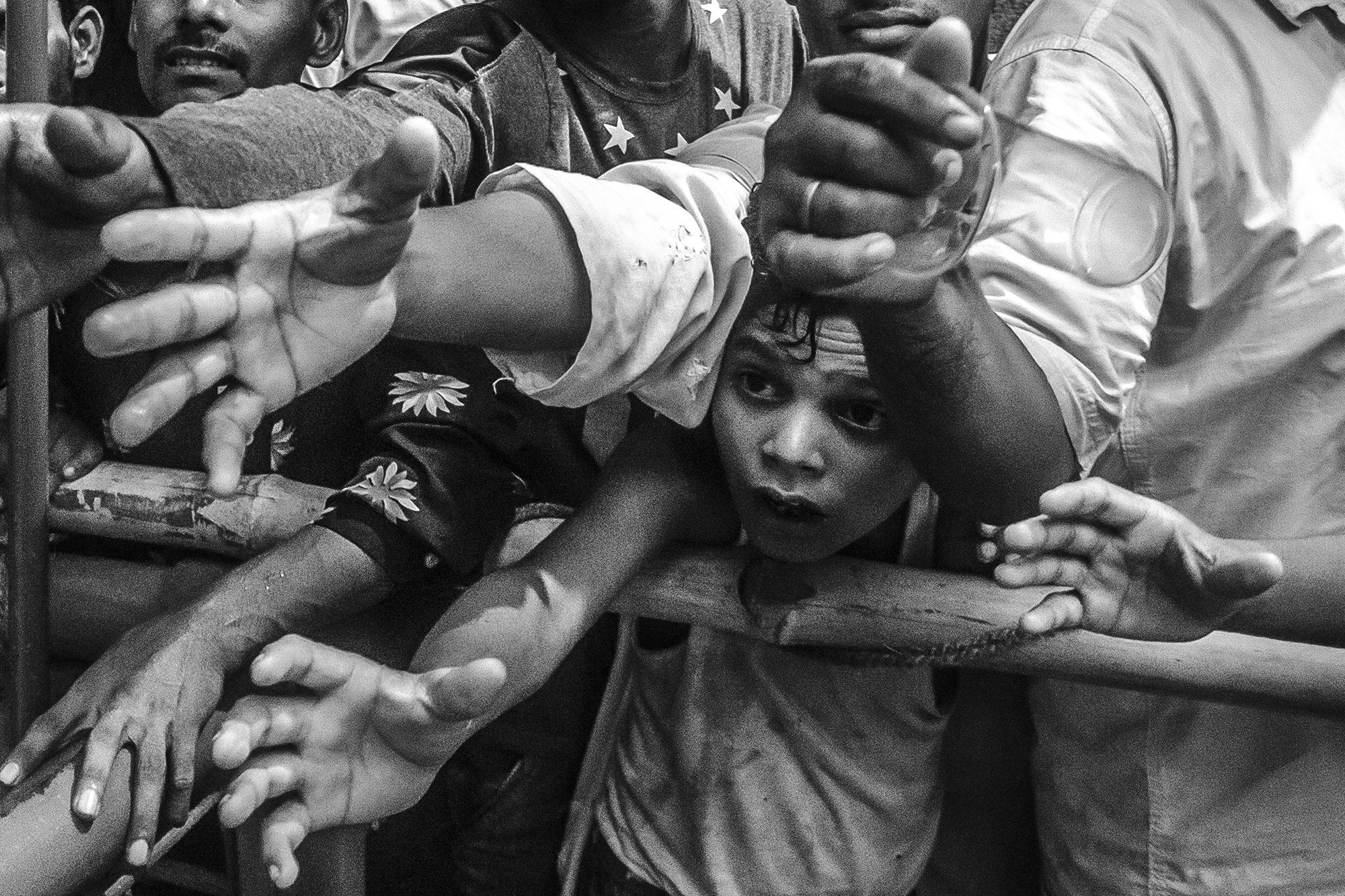
Photographers around the world know that India is one of the most vibrant, energetic, and frenetic places to photograph. No wonder that Sil feels fortunate to experience the diversity presented in every region’s language, rhythm, traditions, communities, and visual character. “Even within the same city, I can walk from one street to another and feel as though I have entered a completely different world,” he remarks.
“Compared with street photography in other parts of the world, I wouldn’t say that India is necessarily better or more interesting,” emphasizes Sil, noting that every place comes with its own visual language. “What makes India distinctive for me is the combination of its incredible diversity, emotional openness, social complexity, and the sheer number of stories unfolding around me. Perhaps that is what I love most about photographing India; there is always another story happening just outside the frame. You simply have to be there and notice it.”
However, it is precisely this diversity that calls for sensitivity as a documentary and street photographer in India. Photographing people going about their daily lives compels him to be respectful and not treat them as mere subjects of his photos. This way, his photos convey a sense of humanity instead of focusing on the visual appeal alone.
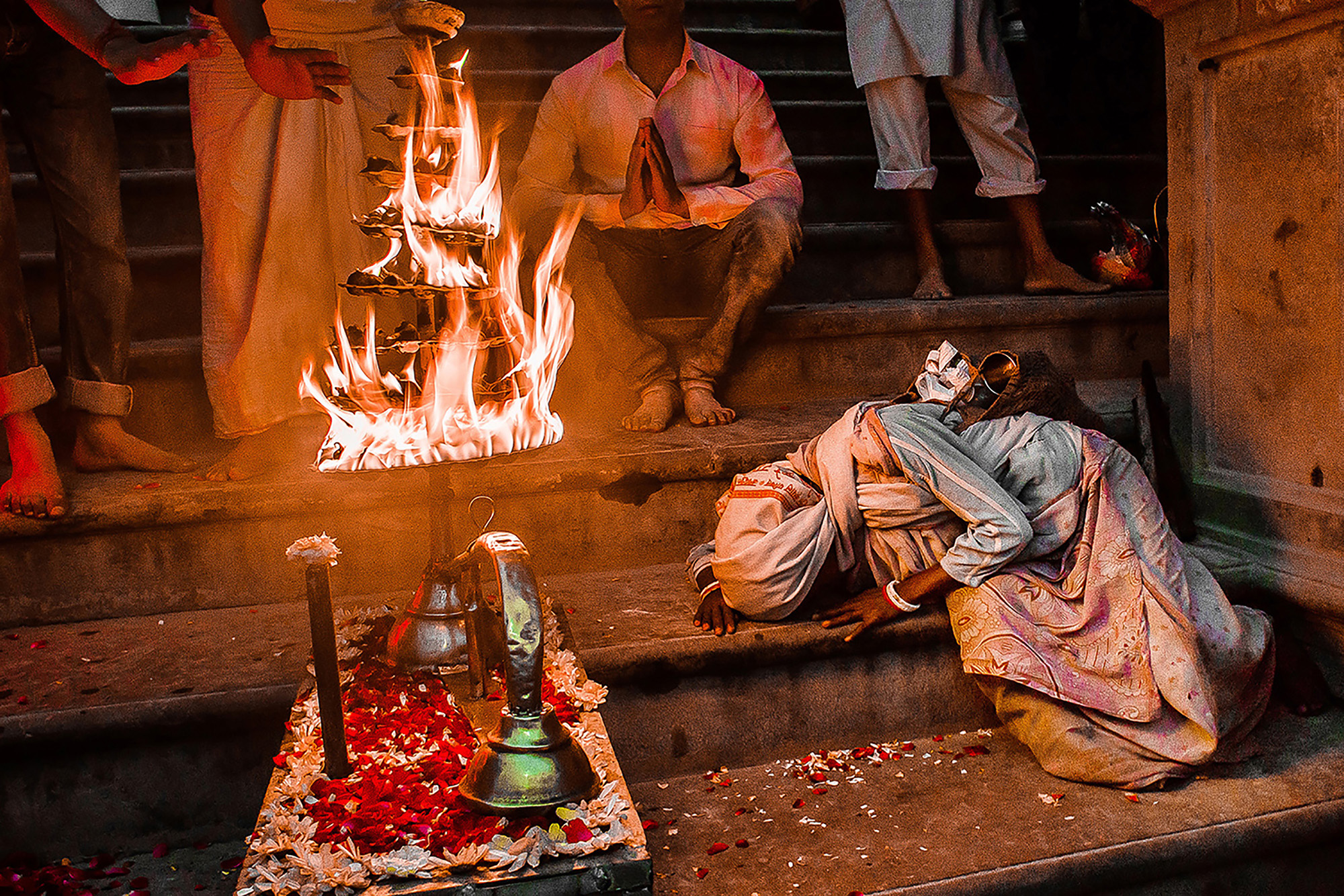
Culture and tradition naturally play a very important part in his street photography, shaped by his experiences growing up with Kolkata’s diverse traditions, festivals, rituals, and practices. However, it is not something that he seeks specifically as a different aspect of his work. In India, he stresses, tradition does not exist separately from everyday life.
“It lives on the streets, in the way people dress, work, pray, celebrate, travel, and interact with each other. What I find particularly fascinating about India is the way the past and the present constantly exist together. You can see something that has been part of people’s lives for generations happening right next to something completely modern. That contrast creates so many interesting visual and human stories for me.
“So, I wouldn’t say that Indian culture and tradition are separate subjects in my photography. They are naturally part of the world I photograph. They shape what I notice, what catches my attention, and how I understand the people and moments in front of me. In many ways, they influence not only what I photograph, but also how I see.”
Copyright ⓒ Ayanava Sil
Reaping the rewards of honest work
For many photographers, winning an award represents the pinnacle of their photography journey. They often make this the end goal or even the reason they keep shooting. However, Sil believes that the most important thing is to not make photographs with the primary intention of getting awards. “The moment I start asking myself,’ Will this photograph win something?’ I feel that I stop seeing honestly. For me, the work always has to come first.”
So, he stays focused on the moment before him, looking for something that he can genuinely connect with. Even when he thinks he has already made a photo he finds good enough, he keeps looking, observing, and trying to create something stronger. On this approach, he says, “I think that hunger to find the next photograph keeps me curious and prevents me from becoming satisfied too quickly.”
With the slew of awards that Sil has received over the years, this hard work and dedication to honest work have paid off. While he finds gratitude and encouragement in the recognition, he doesn’t consider it as the sole proof that he is doing everything right. Rather, it reassures him that he is able to create stories that resonate with others.
“Ultimately, I see awards as a by-product of the work, not the reason for making it. I continue to photograph for the same reason I started: I enjoy taking pictures, I enjoy the process of looking and discovering, and I want to create photographs that I will still care about many years from now.”
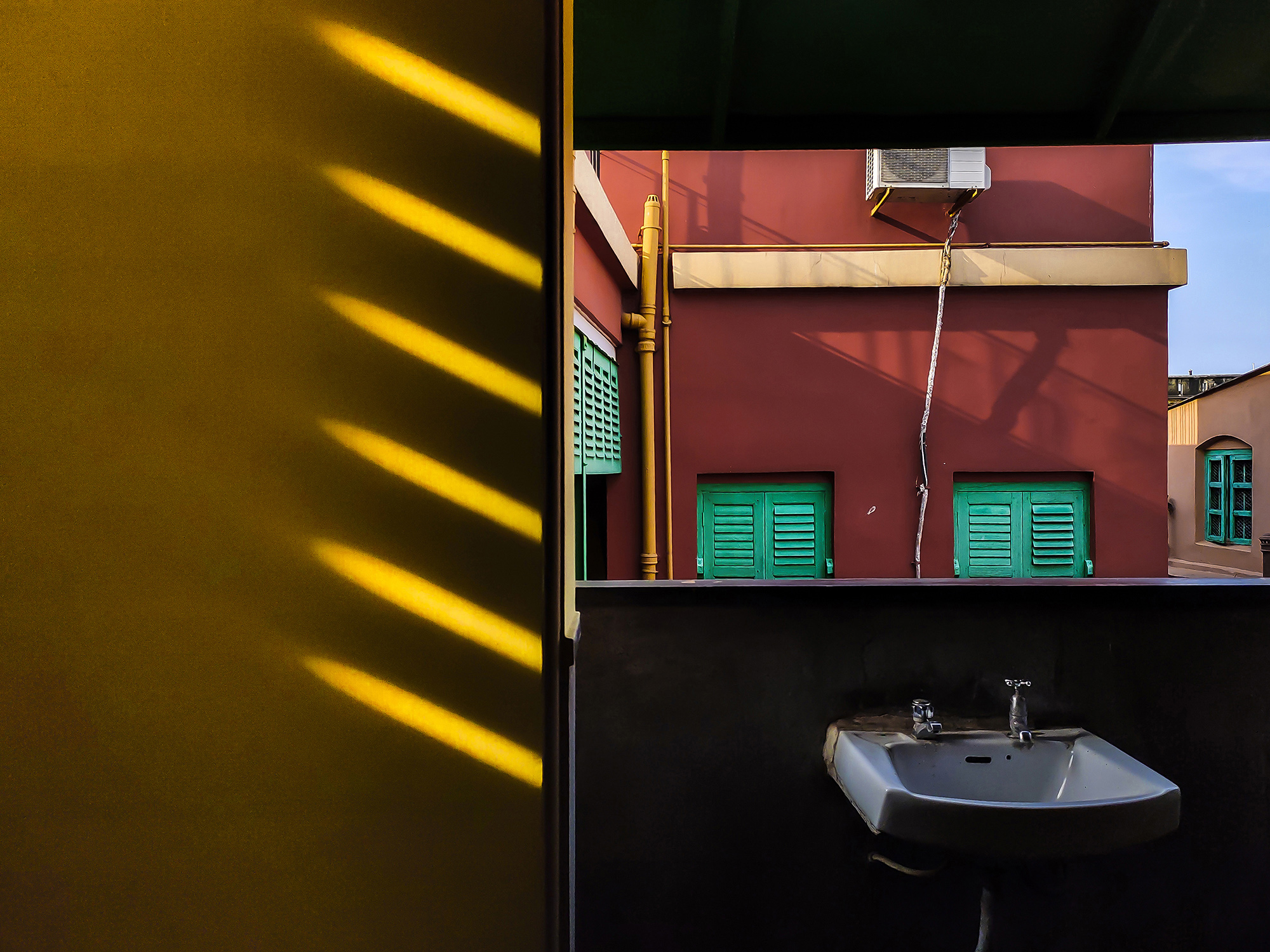
This philosophy is embodied by one of Sil’s most memorable photos. While he believes he’s yet to create his best or favorite photo, he cites one of the photos from his ongoing series titled “Poetry of the Ordinary,” which he made during the pandemic lockdown, as the closest to his heart.
Copyright ⓒ Ayanava Sil
His story about the photo goes:
“I took it one evening when the light caught my attention and made me look at my surroundings in a completely different way. Until then, as a street and documentary photographer, I had been mainly interested in photographing people and what was happening outside. I had rarely considered photographing an ordinary space without anyone in it. At first, I wasn’t sure whether this was something I wanted to explore. But that photograph opened up a completely new way of seeing for me. I began noticing things inside my home that I had probably walked past hundreds of times, the way the light fell, the shadows, colours, patterns, frames, and the subtle relationships between objects.
“That is what makes the photograph special to me. It taught me that photography does not always need an extraordinary place, an important event, or a dramatic human moment. Sometimes, all you need is the willingness to look at something familiar in a different way.
“The photograph became even more meaningful to me in 2021, when the legendary American street photographer Joel Meyerowitz saw it and described it as ‘the kind of picture I felt I could live with.’ That sentence has stayed with me ever since. Hearing those words from a photographer whose work I deeply admire reminded me why I continue to photograph everyday life in the first place.
“So, it may not necessarily be my ‘best’ photograph, but it is certainly one of the photographs closest to my heart. It reminds me that sometimes the most meaningful photographs are hiding in the most familiar places. We just have to see them differently.”
Copyright ⓒ Ayanava Sil
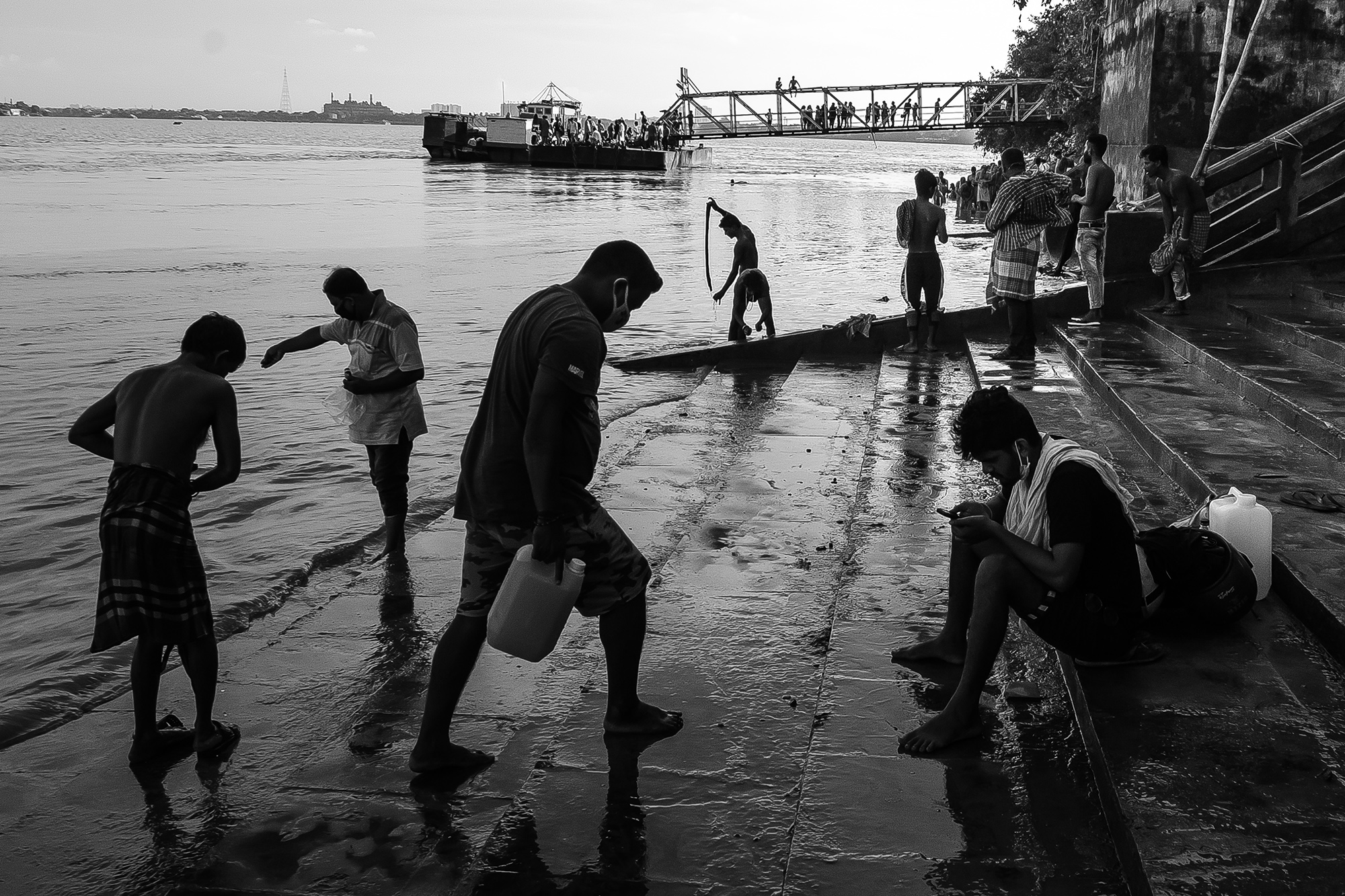
Copyright ⓒ Ayanava Sil
Chasing the dream photography project
As with all photographers, Sil has a dream documentary or street photography project that he’s yet to get started with. But instead of choosing some far-flung or exotic location that he’s never been to, he doesn’t stray far from home and his focus on the diverse everyday life, culture, traditions, and people of his country. He wants to immerse himself in Varanasi, an ancient city known as the spiritual capital of India.
“I have visited Varanasi twice, and although both visits were relatively short, I felt that the city was an extraordinary place for a street and documentary photographer. There is something happening on almost every corner. You see children playing on the ghats, priests performing rituals, families celebrating, pilgrims praying, and cremations taking place nearby. Life and death, joy and sorrow, celebration and grief all exist side by side. That contrast fascinates me deeply.
“I would love to spend a much longer period in Varanasi, ideally across different seasons, and truly immerse myself in the city. I want to experience how it changes with the light, the monsoon, festivals, rituals, and the people who constantly arrive and leave. People often say that Varanasi has changed considerably over the years, and I am sure it has. But I also feel that the city still contains endless characters, stories, and layers waiting to be explored.”
This dream project, he says, would bring together the interests he has been presenting through his other works: people, culture, tradition, spirituality, daily life, and the passage of time. He understands that it will be a big undertaking—possibly even a life-long endeavor—but that’s precisely what he finds exciting about it.
“I would rather spend years building one meaningful body of work than rush to create a quick impression. I want to give the city enough time to speak, and be patient enough to listen.”
Visit Ayanava Sil’s website and follow him on Instagram (@ayanava3) to see more of his award-winning street photography.

Leave a comment