
Artificial Intelligence In Street Photography
As artificial intelligence continues to permeate every corner of our lives, it is reshaping photography as well. More and more photographers—yes, even street photographers—turn to AI at some point in their workflow. From passive image selection and metadata tagging to personalized editing profiles and generative retouching, the line between man-made and machine-made is blurring. This shift is causing considerable hand-wringing. Should we allow AI in street photography? Unfortunately, I don’t think there is a simple answer.
Street photography presents a unique dilemma regarding AI, primarily because of its tight bond with the documentary tradition. Photography in general—but documentary work in particular—relies on an authentic link to a physical moment in front of a lens. What happens when we sever this connection? Is the resulting work still photography, or is it something else—say, promptography? Should we allow an overlap to exist, or force each medium into its own distinct corner? These are questions worth asking.
These are my personal thoughts on the issue, and I invite you to share yours in the comments below. Whether we agree or disagree, one can hardly argue that the discussion is timely. My initial stance is fairly straightforward: AI is simply a tool. It can be used, and it can be misused.
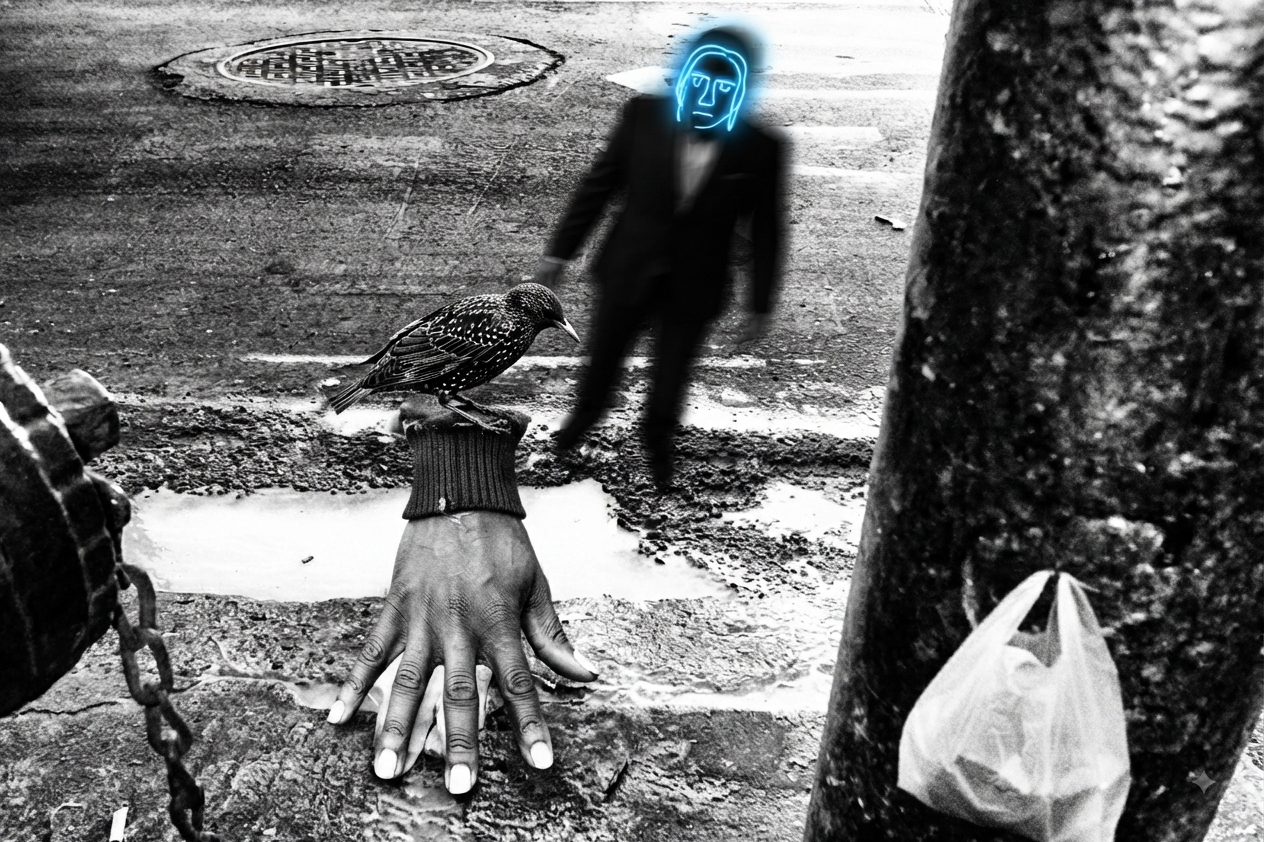
Copyright ⓒ Michael Ernest Sweet
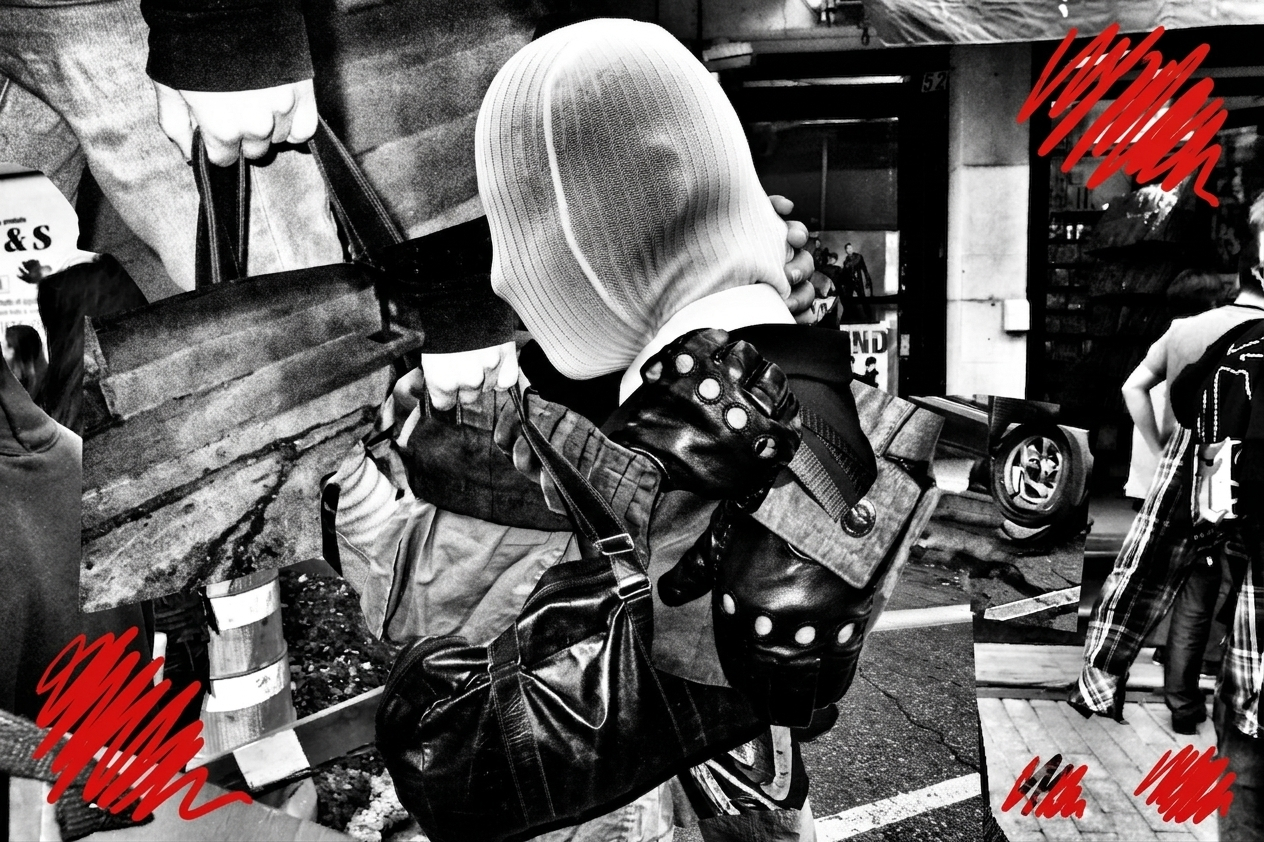
Copyright ⓒ Michael Ernest Sweet
If we look at the writing world for a moment, we might gain clarity by stepping back from the medium we are all so passionate about. In creative writing, many publications now reject pieces created with any AI assistance. But doesn’t this seem overly harsh? Should we also ban dictionaries or software like Grammarly? What about the internet in general—a place where many writers borrow both information and ideas? When the typewriter was introduced, people were skeptical. The same happened with the computer. Was the writing no longer “hand-crafted”? Aren’t many uses of AI merely akin to Grammarly on steroids? Publications aren’t banning standard editing tools, so what happens when those editing tools become powered by AI?
Returning to art more broadly, there is a strong desire to preserve the human element, and I don’t think that is a bad thing. Art—whether a essay or a photograph—should ultimately be the product of a human being. That isn’t to say we shouldn’t have machine-made products, but perhaps they should be categorized differently. The problem then becomes identifying precisely where the line between human and machine lies. For example, modern cameras use algorithms to drive autofocus systems; is this not a form of AI? Automated metadata tags are exceptionally useful, but again, aren’t they assigned by machine intelligence? Obviously, even in the “purest” documentary work, we inevitably interact with artificial intelligence.
“To ban or not to ban” is not a useful framework. Instead, we need to establish clear guardrails to delineate human effort from machine generation. Street photography that crosses that threshold into being predominantly machine-made should simply exist in its own category or be clearly labeled as such.
This leads to a broader question worth considering: disclosure. Should we require photographers to detail their workflow and process? Many would be uncomfortable with that degree of transparency. In the film era, reviewing a photographer’s contact sheets revealed a great deal about their actual technical process. Some photographers produced a compelling frame with nearly every shutter click, while others generated hundreds of throwaways to yield a single winner. Consequently, photographers rarely shared their full contact sheets.
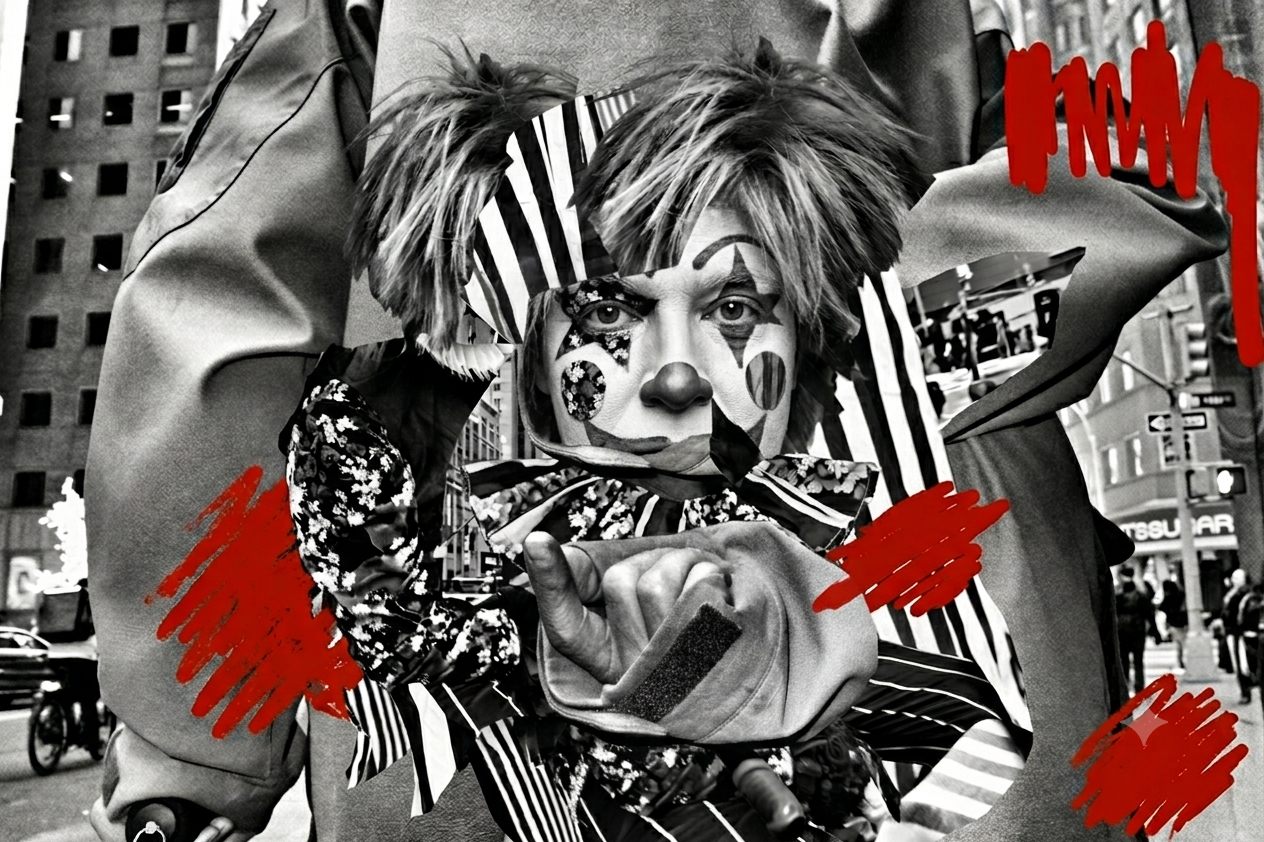
Copyright ⓒ Michael Ernest Sweet
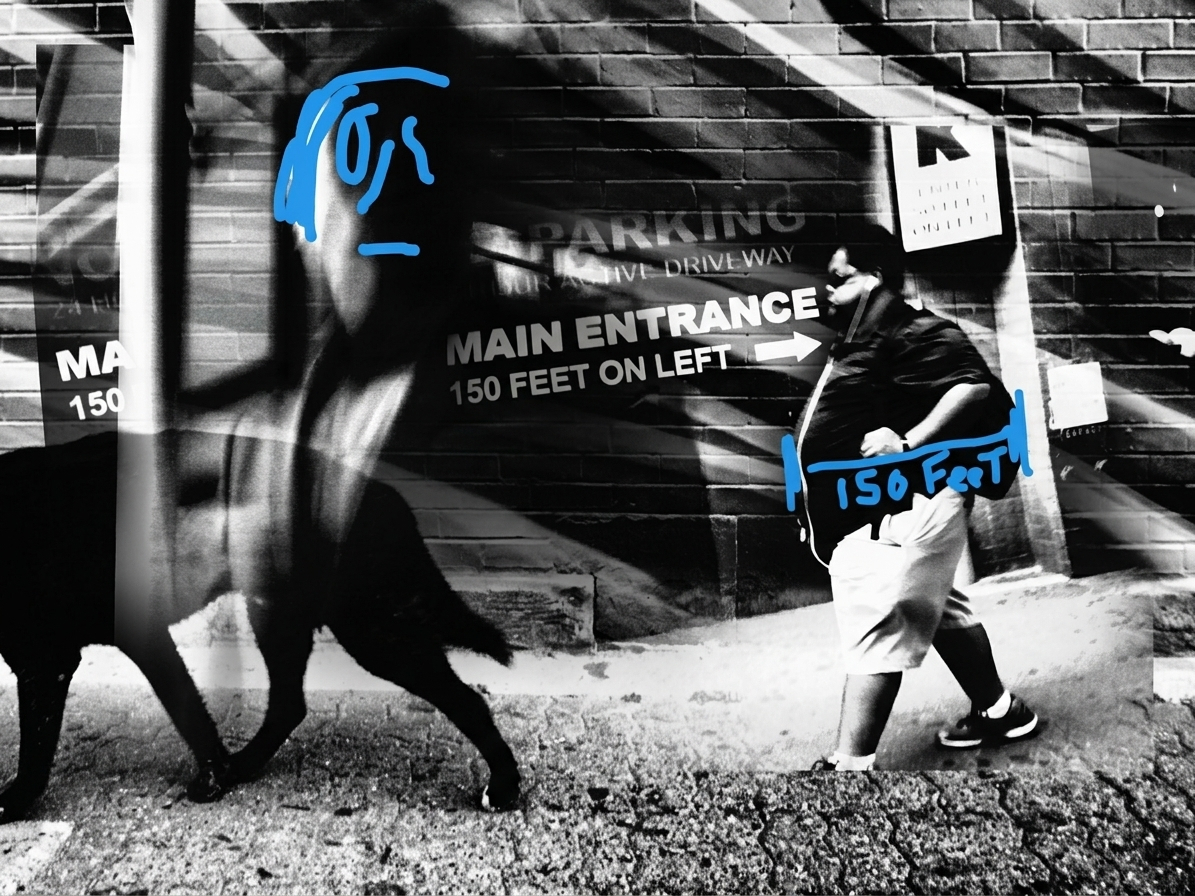
Copyright ⓒ Michael Ernest Sweet
Though digital workflows have replaced analog contact sheets, most photographers still prefer not to share the hundreds of failed frames sitting on their hard drives. If we demand transparency regarding AI use, shouldn’t we also know whether a single decisive moment was actually selected from a burst sequence of a hundred frames? Doesn’t that context alter our evaluation? For instance, I only shoot a single frame of a subject—never more. It is simply how I work. Should my process be evaluated against someone who uses continuous burst mode to capture a street scene? Perhaps, perhaps not. But there is a compelling argument for understanding the full context behind an image.
Attempting to ban AI in street photography is a fool’s errand. Artificial intelligence is here to stay, and computational processes will assist in photography to an ever-increasing degree. The real decision facing the street photography community is whether we want to demand radical transparency regarding how an image is made. If we do, I would argue that we shouldn’t stop at AI integration alone, but demand full disclosure of the entire workflow that produced the photograph. What’s good for the goose is good for the gander.

Comment
I think you are being intentionally provocative, Michael.
The answer I have to AI in photography lies in the first word: artificial. I believe it should definitely not be allowed. Photography is a creative process – where is the creativity in building an image with AI?