
Jeff Rothstein: Capturing the Memory of a Place Through Street Photography
The late 1950s to the 1970s saw the golden age of street photography in New York City, and cemented the Big Apple’s as a top destination for street photographers for generations to come. There’s a certain character in the photos from this era that even today’s photographers and creatives find interesting and inspiring.
One of the street photographers who found their footing and immortalized the iconic New York City of this time is Jeff Rothstein. A native Brooklynite and long-time Manhattan resident, he has been shooting the city since the early 1970s as an urban observer, with the goal of capturing both the environment and the fleeting moments of generations of New Yorkers out on the streets.
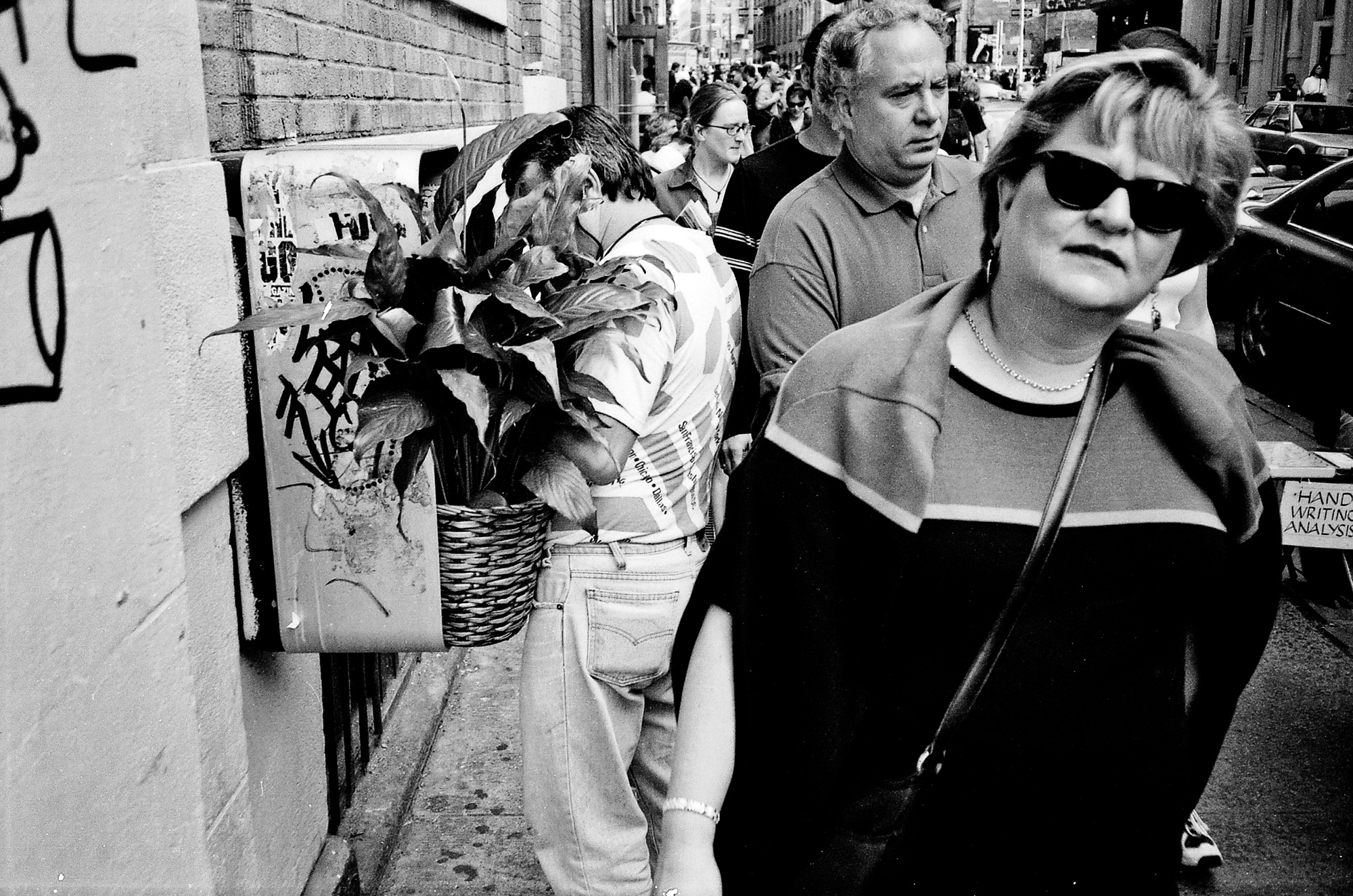
Among his best known and most celebrated works to this day is his Vintage Gotham series in timeless black and white, aptly named not only for capturing the grittiness of New York City at the time, but also for documenting the prominent events, culture, and social climate of its iconic era through the citizens themselves.
Even in his color photography later on, Rothstein’s work reflects his dedication to the memory of a place, with the understanding that time brings changes that impact the way we remember and navigate it.
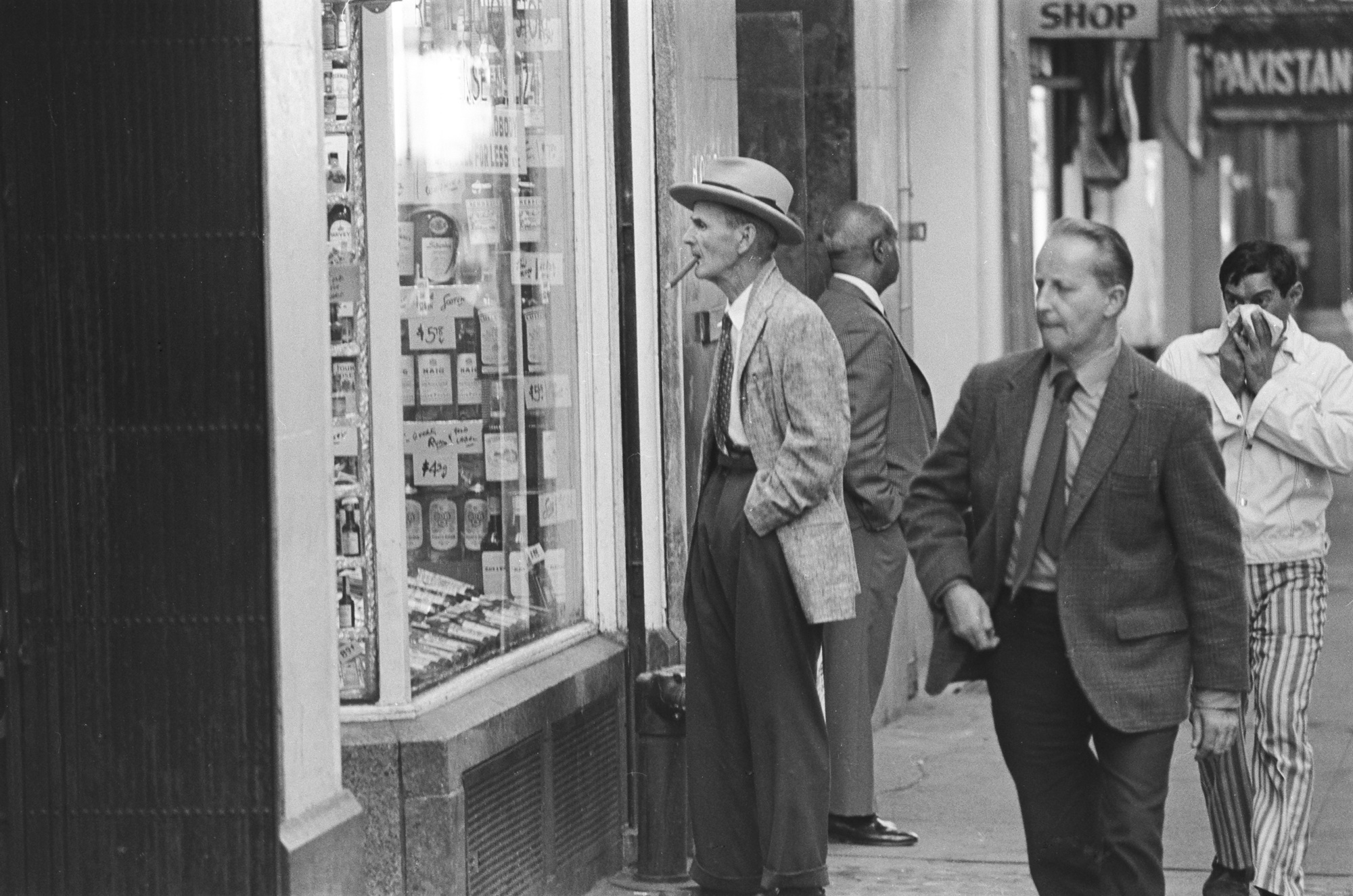
Copyright ⓒ Jeff Rothstein
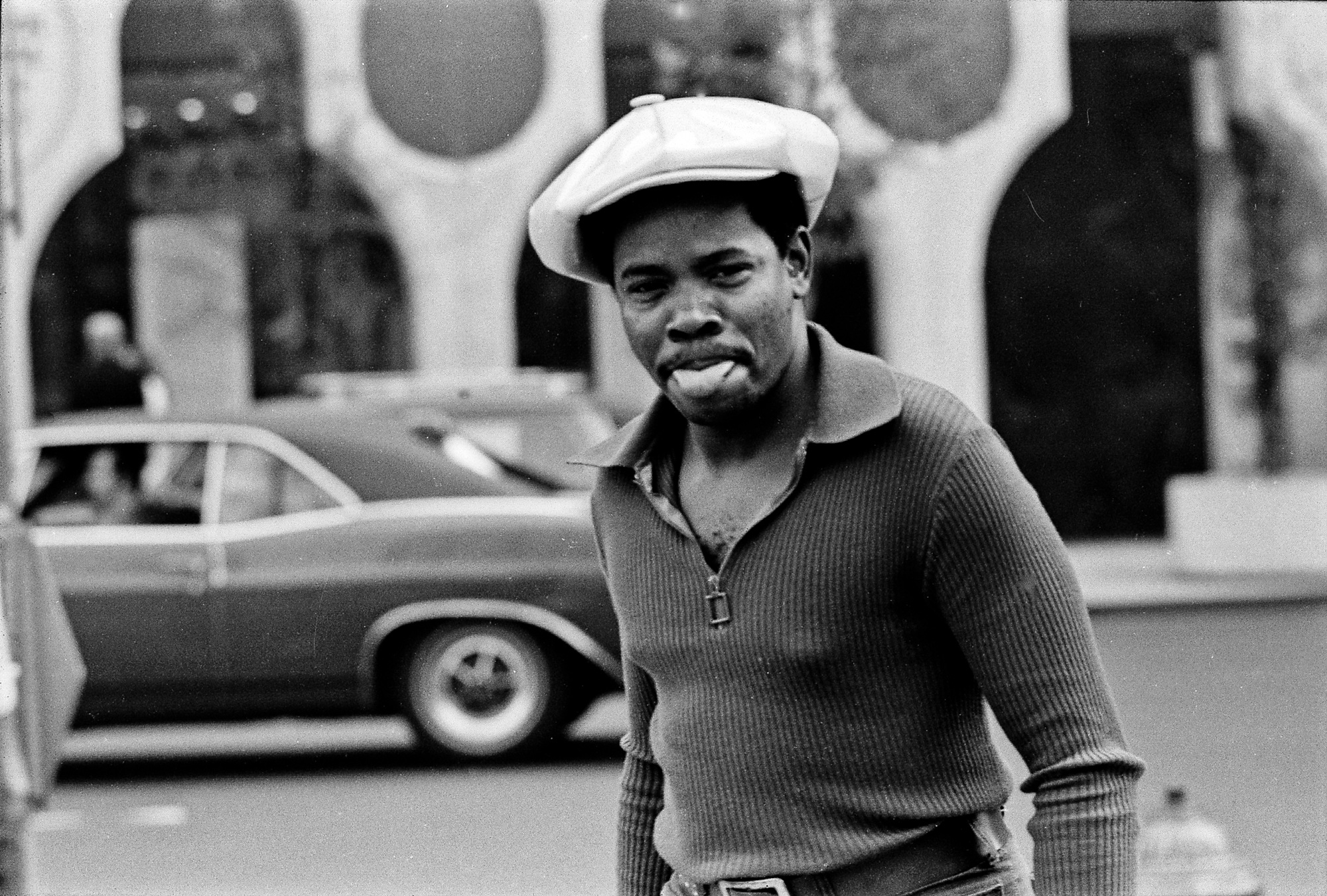
Copyright ⓒ Jeff Rothstein
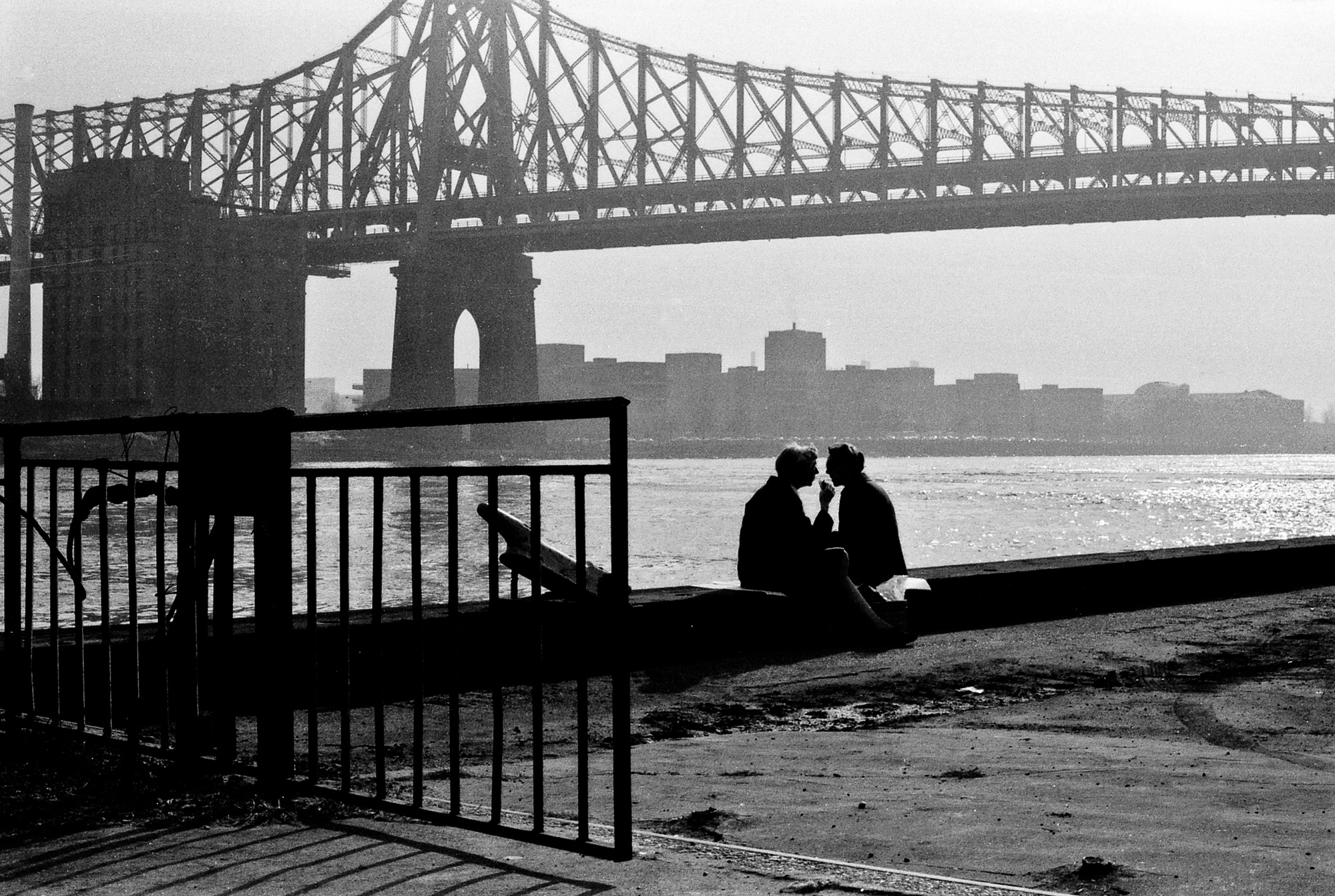
Copyright ⓒ Jeff Rothstein
Building the foundations of the craft
Growing up, Rothstein busied himself with drawing as his creative outlet, and attended art classes at the Brooklyn Museum when he was eight. He was 19 when he began dabbling with photography with a “real” camera, soon after he joined his university’s student newspaper. From starting out taking sports photos, he soon moved on to other assignments and discovered street photography somewhere along the way.
“I eventually started wandering the city’s streets with my 35mm SLR loaded with black and white film and enjoyed this type of shooting,” he said of his early days of street photography with a Kowa SET R camera. He was also majoring in Journalism at the time, which likely served as the foundation for his penchant for storytelling.
Rothstein eventually took photography classes from his university, but for the most part, he was self-taught. “I religiously read Pop Photo and Modern Photography magazines, and bought most of the volumes of the LIFE Library of Photography. Through these books, I learned about the nuts and bolts of the medium, plus its history.”
Making creative decisions for street photography
For decades, Rothstein shot in film exclusively and transitioned to digital very late. However, instead of DSLRs or mirrorless cameras, he chose to shoot solely with digital point and shoot cameras for the past few years—one of the many creative decisions he made for his street photography.
“Their small sensors give me files that are sort of film-like, without the sterile quality of some very high megapixel cameras. Even though I love the whole aesthetic of shooting film I also love the immediacy and convenience of digital,” he adds.
While Rothstein became primarily known for his black and white photos, he also shot many color slides throughout the 1980s, which added an extra dimension to his street snaps. Today, however, he chooses to work with the convenience of the digital workflow to decide which images should be in color or black and white.
“Now, when I shoot digital I’ll make the decision when I look at the files. If I can’t decide, I’ll ask my wife, who’s an art historian and curator. Usually I’ll go by her choice. Sometimes I have an image that looks great in both. In that case, I might put it on my website in b&w and post the color one on instagram. Black and white is my first love but some shots just look great when the color pops.”
Ultimately, the choice is another creative decision for Rothstein, since every photographer perceives a place, its people, and its charm differently. This, in turn, tends to be interpreted through color—or the lack of it.
“Some photographers swear by color because it’s an accurate description of the world around them. Some love the mystery and sometimes vagueness of black and white. I still consider myself a black and white guy at heart but there’s no denying that some subjects just cry out for color.”
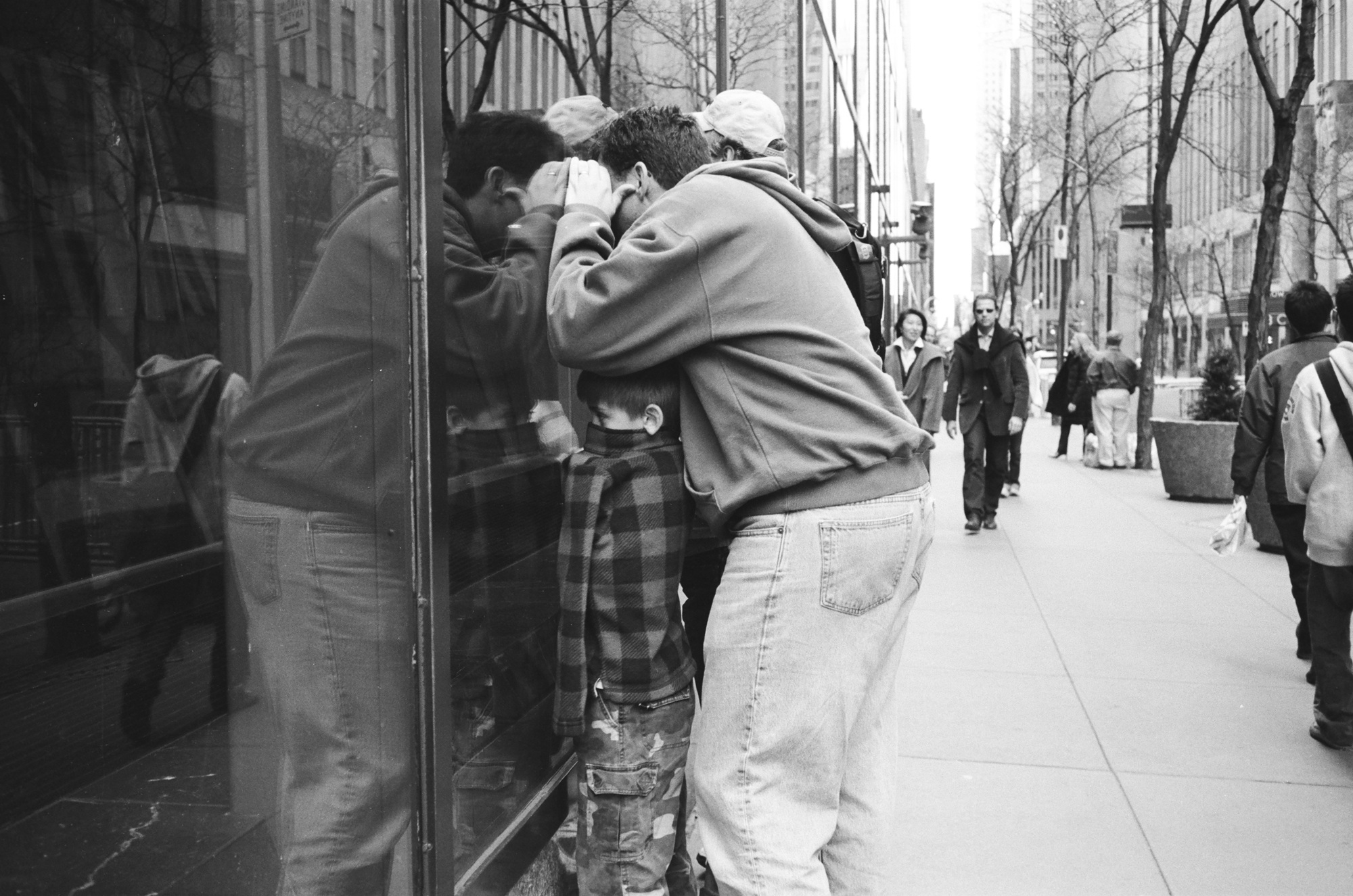
Copyright ⓒ Jeff Rothstein
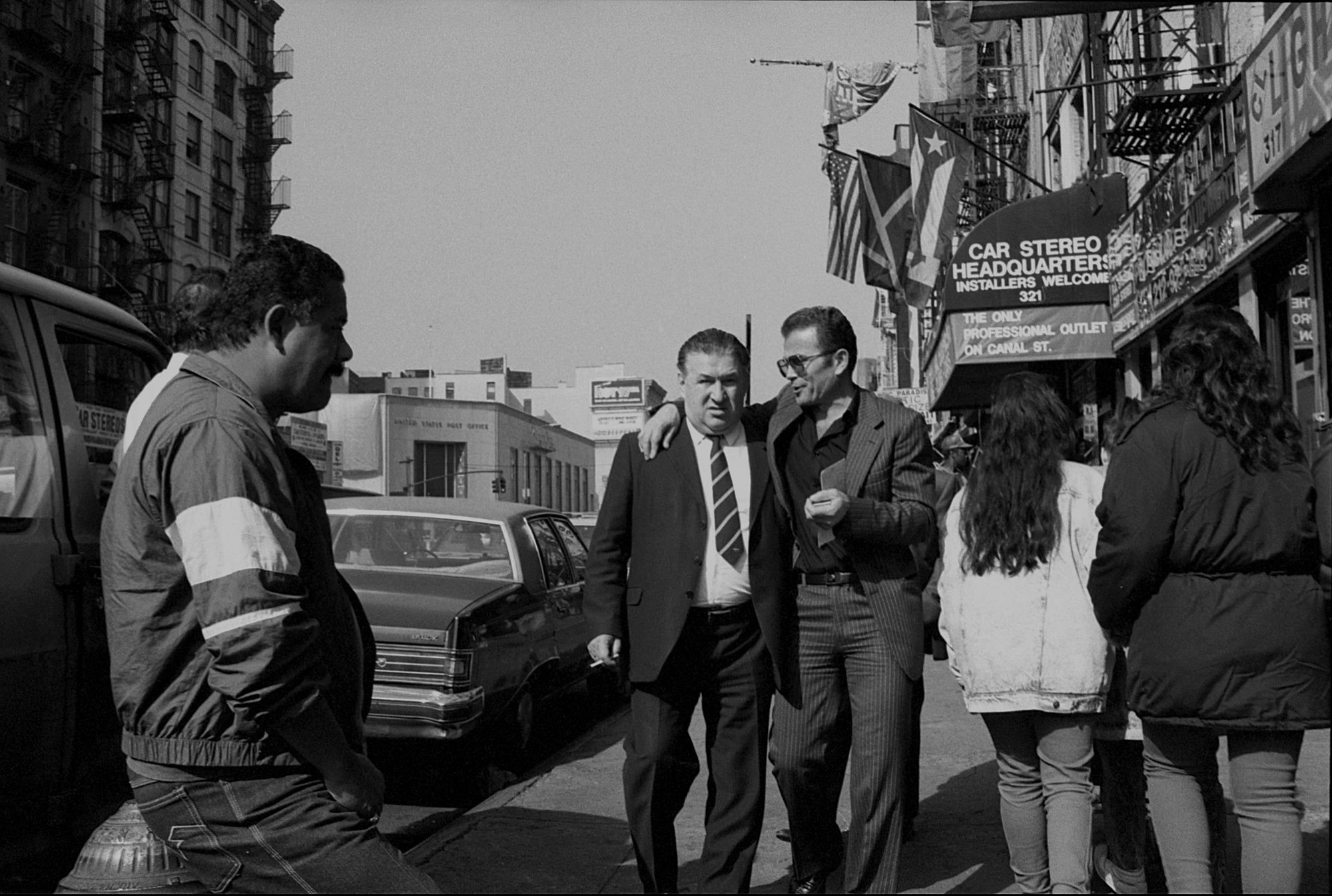
Copyright ⓒ Jeff Rothstein
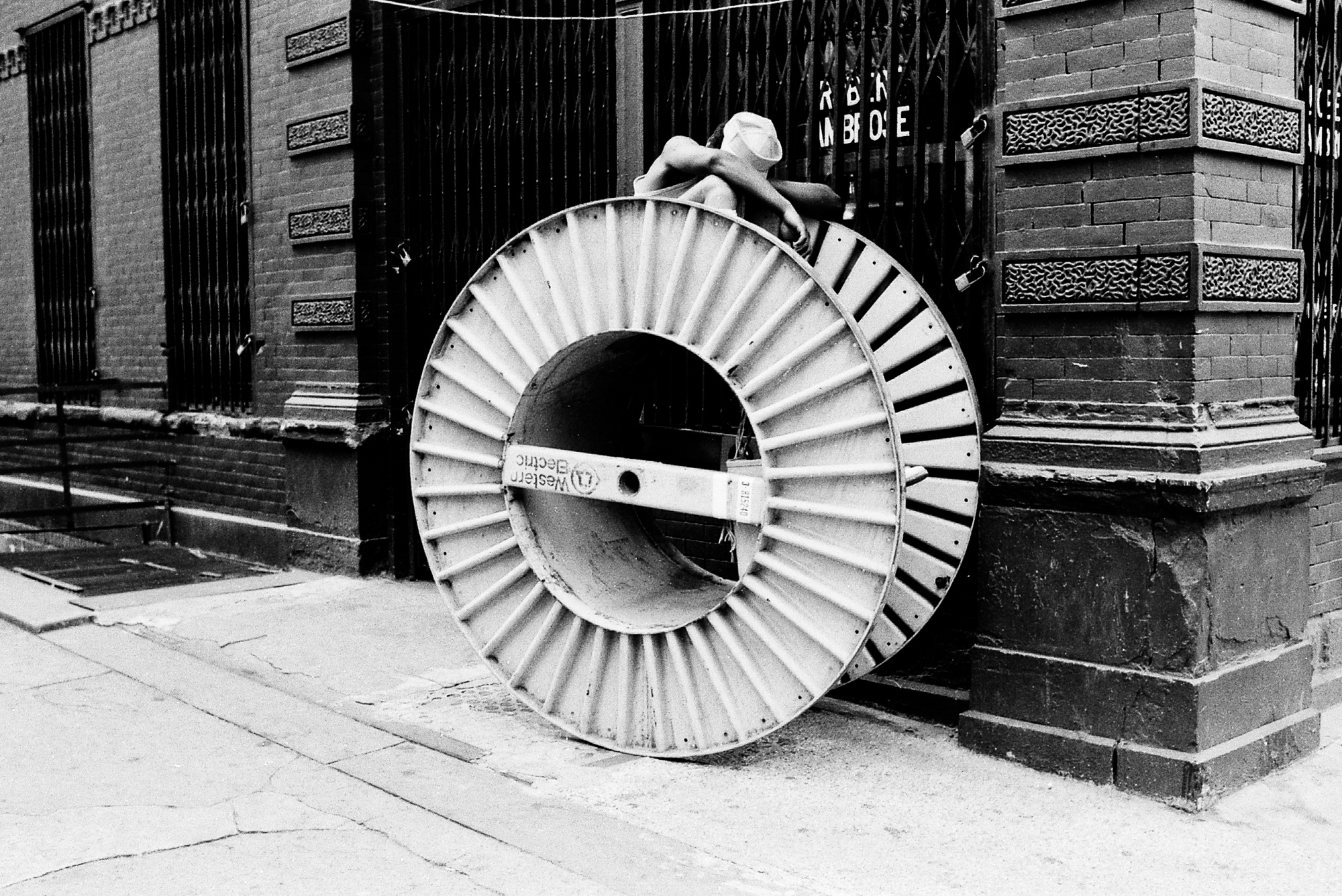
Copyright ⓒ Jeff Rothstein
Street photography as a never-ending endeavor
One could argue that Rothstein’s devotion to street photography to this day is a force of habit, ingrained in his persistence to shoot New York City for decades. But he regards his New York series as a never-ending endeavor, always continuing and going along the flow of time and the shifts that come with it.
All big cities have changed dramatically since the 1970s and the 1980s, but the New York City of the time came with the grittiness that proved perfect for street photography. Rothstein finds that a lot of the streets look the same today, but his go-to photo locations have changed over the years. “In the 70s, I used to shoot quite often in Central Park, Washington Square Park, and the Lower East Side. These days, some of my favorite spots are in SoHo and midtown.”
As the city evolves, so do the ways that photographers document it, fine-tuning their style, creative vision, tools, and perspectives as they see fit. Also, there’s always something new, interesting, or eye-catching happening in New York City, which makes sense why the work is never done for street photographers like Rothstein.
“Every photographer has their own style and vision. Also, different lenses, some shooting flash, different angles, film, digital, some close, different distances. Light always changing. Seasons changing,” reminds Rothstein, adding that he also made some changes to the way he sees and depicts the city. “Personally, I now get extremely close to my subjects. I want the viewers to feel that they’re right there on the streets with me in the middle of all the chaos and drama of the streets.”
This notion of his New York City street photography as a never-ending task is also reflected in how he considers his current work to be the next installment of Vintage Gotham. Decades from now, they will carry a new historical significance as photographic memories of a city that no longer exists.
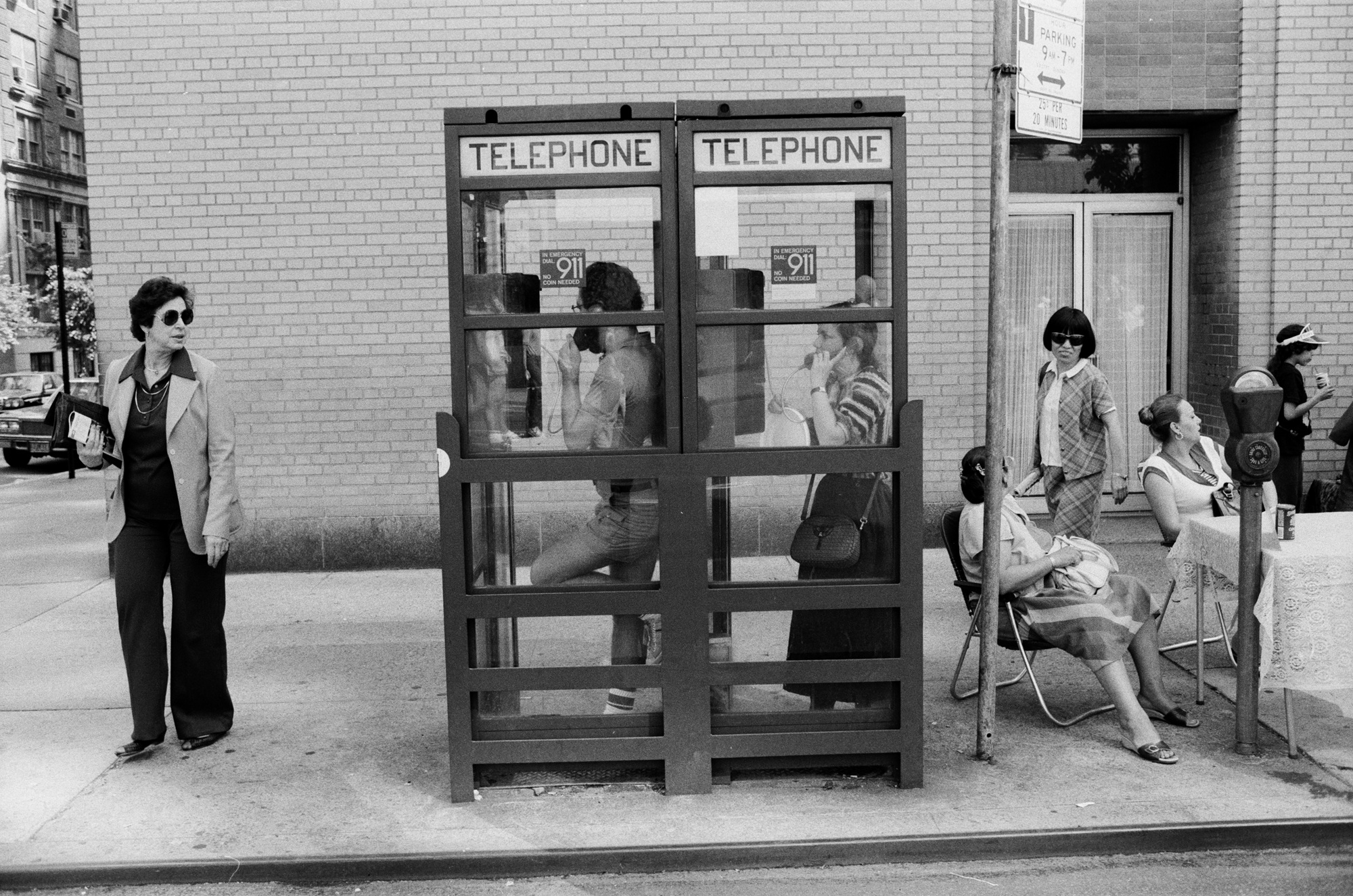
Copyright ⓒ Jeff Rothstein
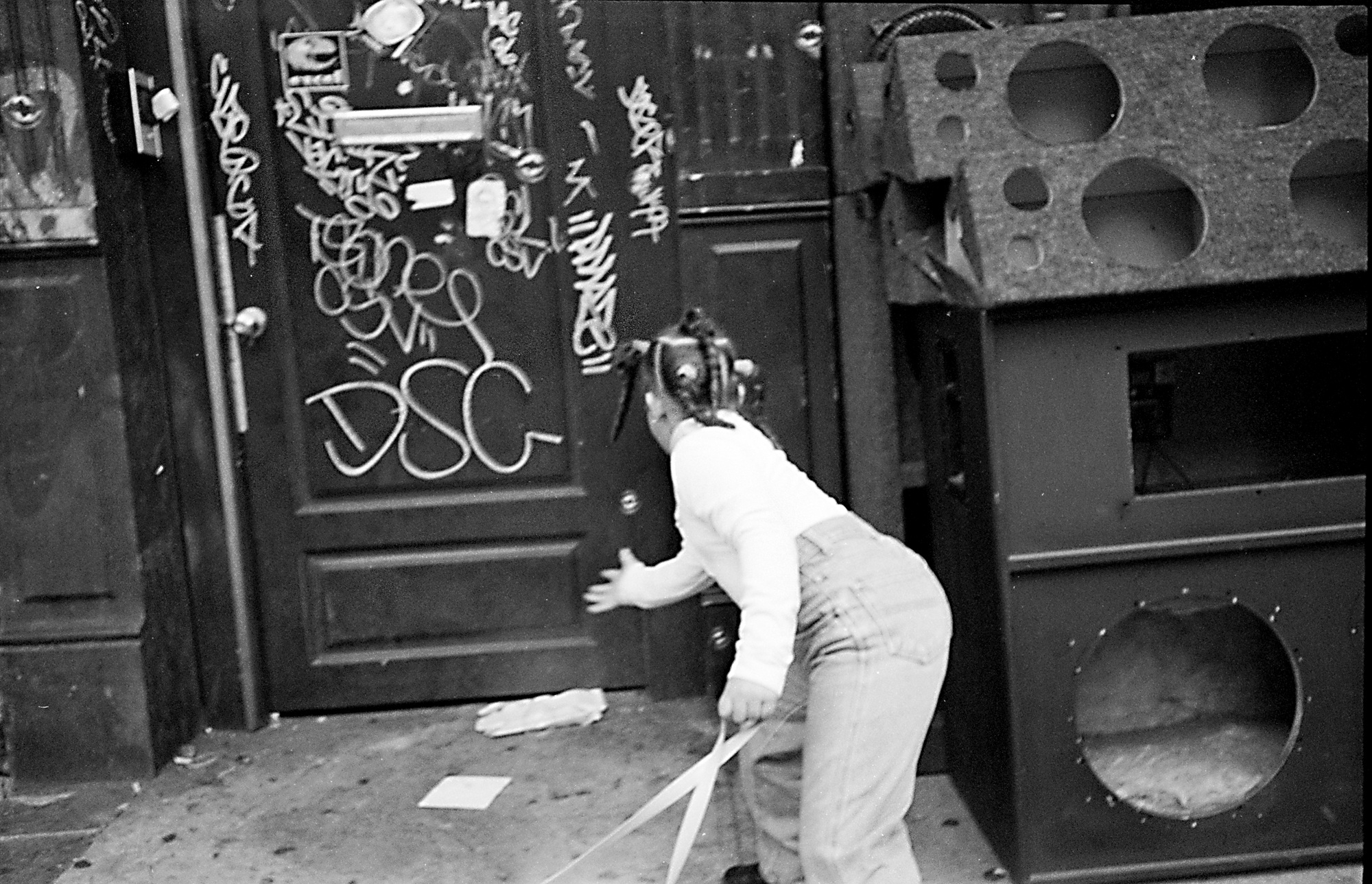
Copyright ⓒ Jeff Rothstein
Copyright ⓒ Jeff Rothstein
Immortalizing the memories of a place
More than mere records of a bygone era, Rothstein’s popular Vintage Gotham series is dedicated to the nostalgia of New York City’s past. As hinted by the choice to name his series after the city’s old nickname, he has always been drawn to its history and the idea of immortalizing its memories through photography.
“My Vintage Gotham photos show a city that now exists only in memories. The memories are both mine and the viewers; Mine because they’re what I’ve witnessed and captured with my camera. But through the images they’ll be shared by everybody who has known the city intimately or casually or even remotely and vicariously,” he notes, understanding that viewers will always have their own memories of New York City. But through his work, he can always pass on the version he experienced during his time.
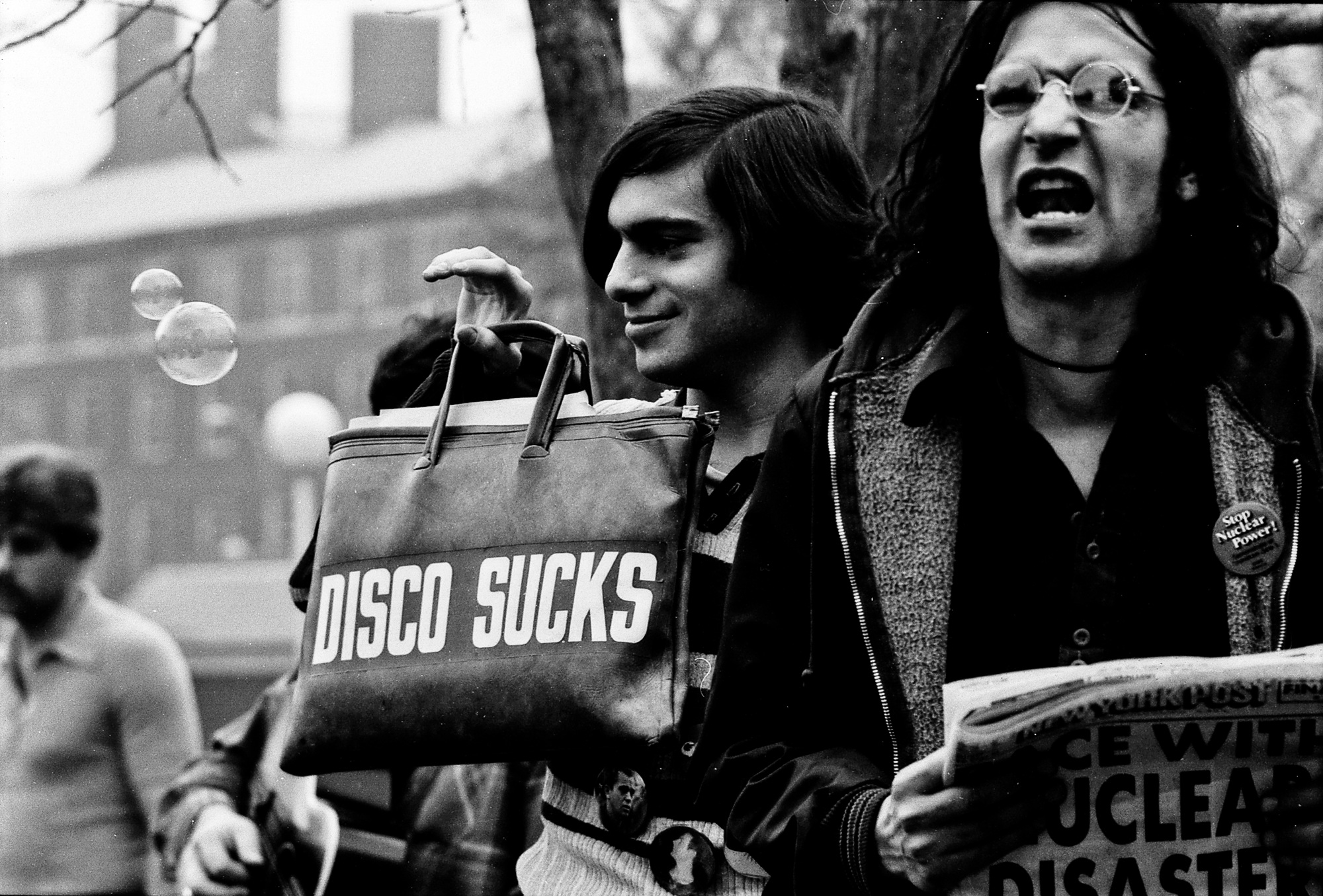
One of his favorite snaps from decades ago perfectly reflects this idea, as the story behind it reveals:
Copyright ⓒ Jeff Rothstein
“It was taken in Washington Square Park in 1979. One guy is holding the sign and the guy on the left is holding a newspaper whose front page is shouting Nuclear Disaster in large type. This was referring to the Three Mile Island incident. I guess both guys have their own priorities. Fun fact: the guy with the newspaper was David Peel, a local NYC underground musician and friend of John and Yoko.”
Make sure to visit Jeff Rothstein’s website to see more of Vintage Gotham and the rest of his nostalgic street photography.

You might also like


Leave a comment