
Street Photography, A Conceptual Continuity
In Frank Zappa’s 1974 Super Album, Apostrophe, One of the Most Iconic & Lyrically discussed and debated Albums, in STINK-FOOT, a conversation between A Man & Fido, The Question Comes asked: What is Your Conceptual Continuity? The answer to the question in the story is a different Story But, What is The “Conceptual Continuity” in a Street Photographer’s Body of work?
Do ALL Street Photographers have a Conceptual Continuity?
Do You have to have one in Street Photography?
Does it Matter?
General definition
Conceptual continuity refers to the logical and thematic consistency of concepts (Themes) so that each part builds on what came before, rather than introducing ideas that clash or feel disconnected. A Thread… BUT
Conceptual continuity means that the same core ideas, concepts, or themes are maintained consistently over time or across different parts of a work, or a Body of work or need different Bodies of a Genre, even if the details, examples, or presentation change.
You can sense and observe that the thinking stays coherent and connected, not fragmented or contradictory.
Examples in different contexts, In General
- Writing or storytelling:
A novel has conceptual continuity if characters’ motivations, the rules of the world, and major themes remain consistent from beginning to end. - Education or theory:
A course has conceptual continuity when new material clearly builds on previously introduced concepts instead of jumping randomly between ideas. - Design or branding:
A brand maintains conceptual continuity when its visuals, messaging, and values align across products, ads, and platforms. - Philosophy or research:
An argument shows conceptual continuity when its assumptions, definitions, and conclusions remain internally consistent.
Why it matters
- Improves clarity and understanding
- Builds trust and credibility
- Makes complex ideas easier to follow
- Prevents confusion or contradiction
In short: conceptual continuity = ideas that hang together logically and consistently over time.
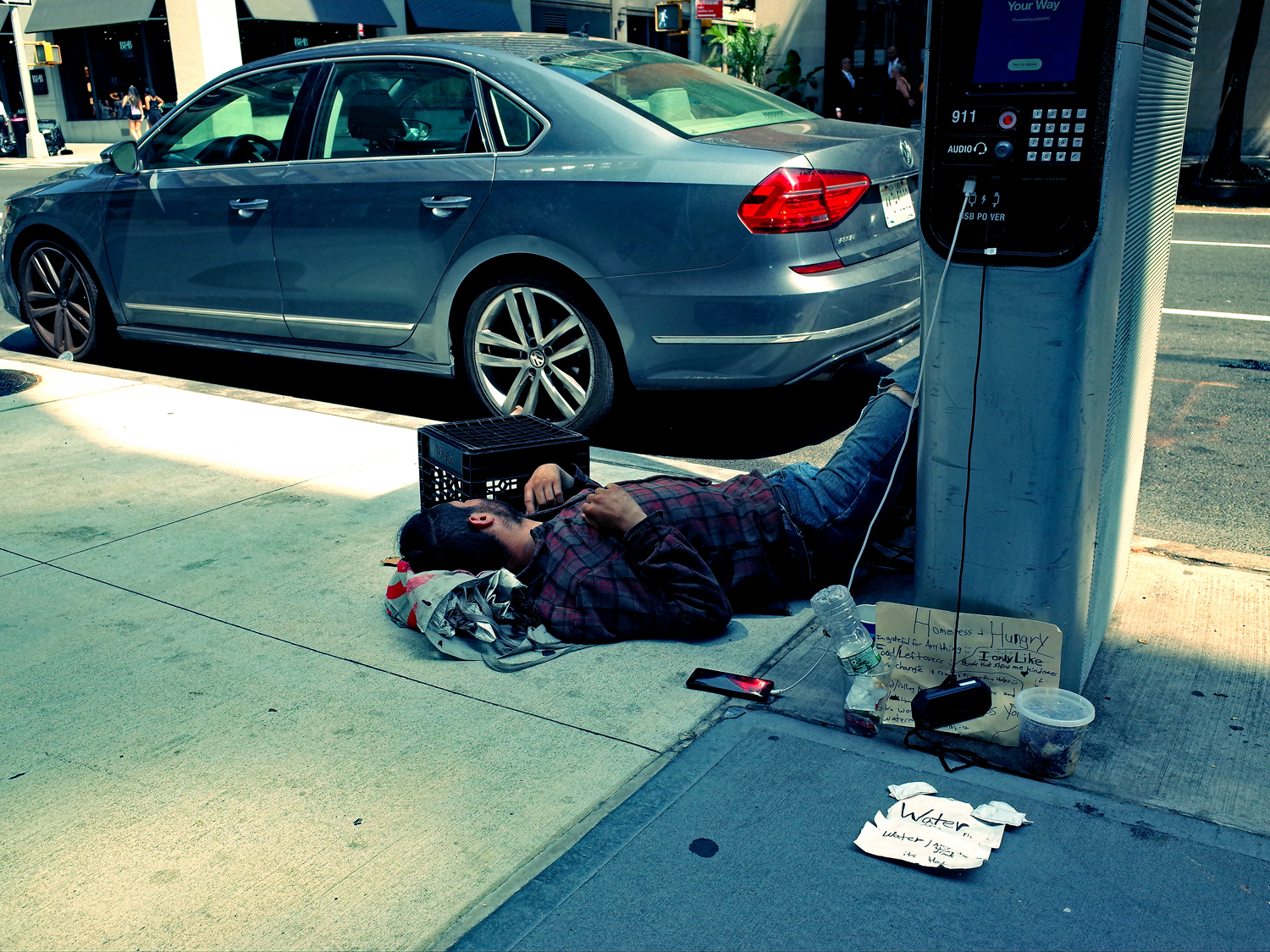
In street photography, conceptual continuity refers to the consistent underlying idea, way of seeing, or visual logic that ties a body of work together—even though the subjects, locations, and moments may change. Cities may change, countries may change.
It’s not about repeating the same scene or technique, but about maintaining a coherent photographic intent.
What conceptual continuity means in street photography
Conceptual continuity exists when your photographs:
- Share a common perspective on public life
- Reflect a recurring question, theme, or observation
- Are guided by the same visual and psychological instincts
A viewer should be able to sense that the images come from the same mind, even without knowing where or when they were taken.
Examples of Conceptual Continuity
A street photographer might consistently explore:
- Human isolation in crowds
- Humor and irony in everyday gestures
- Power dynamics in public space
- Chance juxtapositions and visual tension
- The relationship between people and urban architecture
Even if one image is in New York and another in Tokyo, the conceptual thread holds them together.
What it is not
Conceptual continuity is not:
- Just a consistent editing style or preset
- Only shooting the same subject (e.g., umbrellas, reflections)
- Technical consistency alone (focal length, camera, colour vs. B&W)
Those can support continuity, but they don’t create it by themselves.
How it shows up visually
Conceptual continuity often reveals itself through:
- Repeated types of moments (glances, gestures, collisions)
- Similar relationships between subjects (foreground vs. background)
- A stable emotional tone (melancholy, absurd, tension, warmth)
- Consistent decisions about timing and framing
Why it matters in street photography
- Turns individual “good shots” into a coherent body of work
- Helps editors, curators, and viewers understand your intent
- Distinguishes personal vision from random observation
- Allows long-term projects and books to feel unified
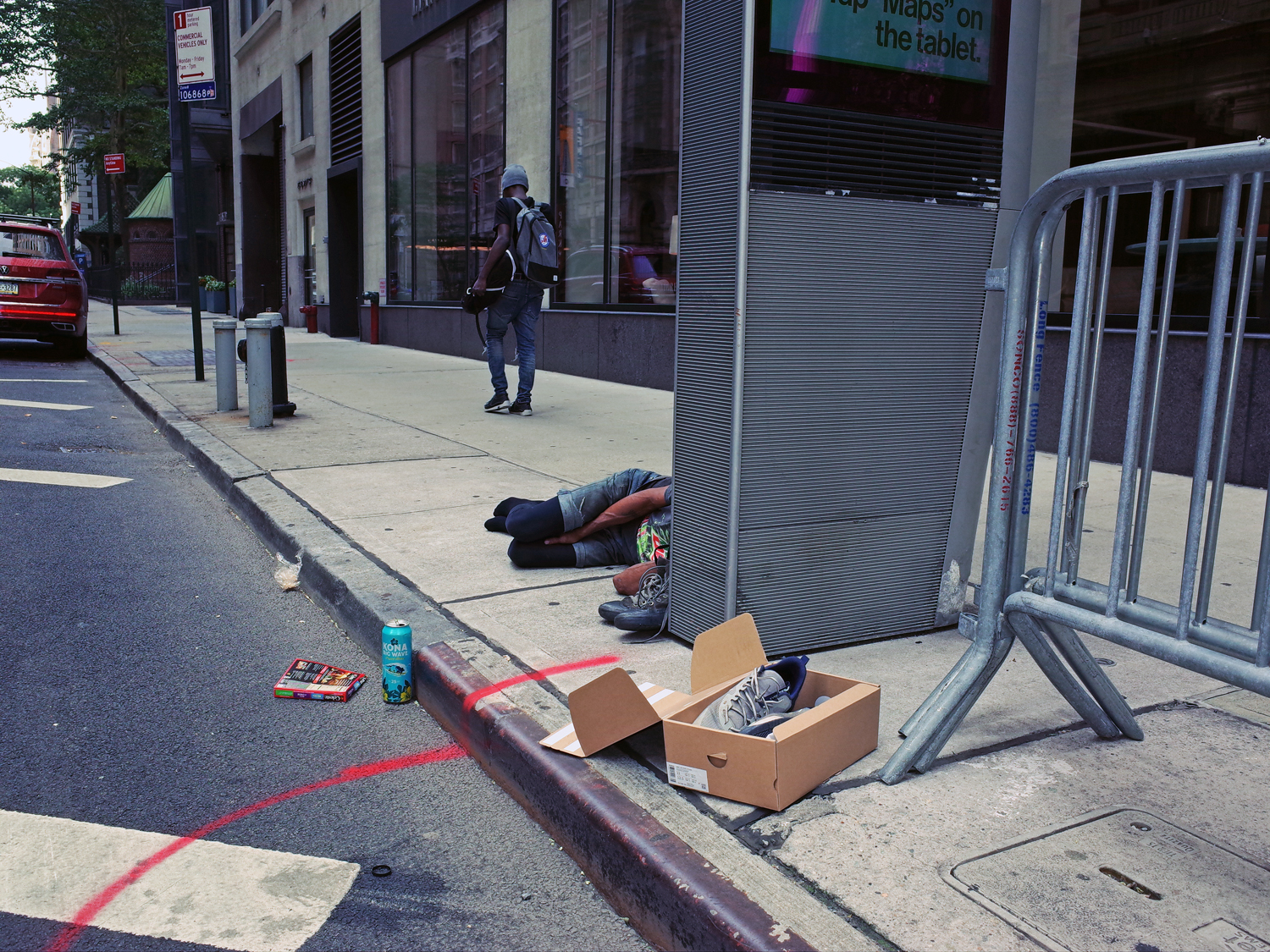
Simple way to think about it
Conceptual continuity is the invisible thread connecting your photographs—your ongoing conversation with the street.
A Committed Street Photographer who gets out every day looking to stumble upon a harmonious moment of chaos, a journey of discovery and throwing the Dice parallel in Time, Life & Motion, might at the end of a week appear to have take shots that are totally unrelated but over the years, different pictures form different story lines of their own Conceptual Continuity, thus a body of work creating different story lines over a longer period of time than just a week. Each Shot is a Link in building a chain of Continuity at the end of which, the whole unending story reveals itself.
Conceptual Continuity of a Street Photographer, is NOT just about a bunch of images, It’s a Mirror of Character, Personality & ultimately, The Mind reflection of a single or different personal periods of life.
Conceptual Continuity is the clue, The guiding signal. You see an image that you have not seen before & intuitively guess who took it? Who does it remind you of? Vivian Maier? Bruch Gilden? Elliot Erwitt? Saul Leiter….
Even if you have not seen the image before, you might say to yourself…I bet it’s Elliot Erwitt’s?
I bet it’s a Picasso
I bet it’s Ernest Hemingway….
It Looks like a Richard Avedon!
Is it Zappa or Led Zeppelin?
Well, Zappa is Unmistakable.
PS. I’m NOT a Professional Writer, But Hey!

Leave a comment